


Our Blog
Bathroom Remodel Ideas and Costs for DFW Homeowners
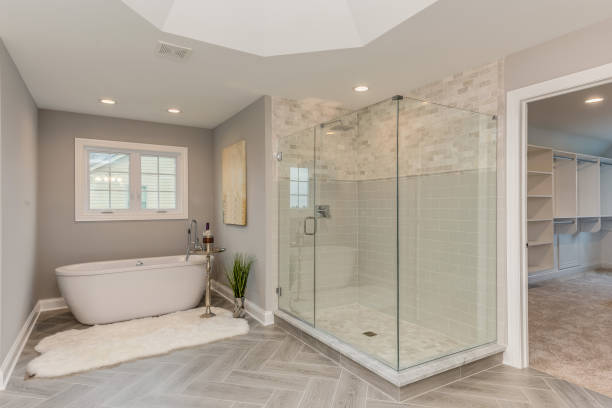
Bathrooms are one of the most frequently remodeled rooms in the home, and for good reason — they see daily use, they show wear quickly, and outdated bathrooms are one of the first things buyers notice during a home tour. For DFW homeowners planning a bathroom remodel, understanding realistic costs and popular design directions helps set expectations before the project begins.
Common Bathroom Remodel Tiers
Cosmetic refresh. This tier includes new paint, updated fixtures, a new vanity, and possibly new flooring, without changing the existing layout or moving plumbing. It's the most budget-conscious way to meaningfully modernize a dated bathroom.
Mid-range remodel. This tier typically includes a new vanity, updated shower or tub surround, new tile, updated lighting, and possibly minor layout adjustments. This is where most DFW homeowners land when doing a genuine update without a full gut renovation.
Full renovation. This includes a complete layout change, potentially relocating plumbing fixtures, custom vanities, premium tile work, and features like a fully tiled walk-in shower or freestanding tub. This tier delivers the most dramatic transformation but comes with the highest cost and longest timeline.
Popular Bathroom Design Trends in DFW
Walk-in showers with minimal thresholds. Curbless or low-threshold walk-in showers have become increasingly popular, both for their modern look and for accessibility considerations as homeowners plan for long-term aging in place.
Freestanding tubs. In primary bathrooms with adequate space, freestanding soaking tubs have replaced built-in tub-shower combos as a popular focal point, particularly in full renovation projects.
Large-format tile. Larger tile sizes with fewer grout lines have become a popular choice for both floors and shower surrounds, offering a cleaner, more modern look that's also easier to maintain.
Double vanities. For primary bathrooms, double vanities remain one of the most requested upgrades, particularly for couples looking to avoid the daily bottleneck of a single sink.
Improved lighting and ventilation. Updated lighting layouts, including vanity sconces and improved overhead lighting, along with better ventilation to manage humidity, are increasingly prioritized alongside purely cosmetic upgrades.
What Drives Bathroom Remodel Costs
Plumbing changes. Keeping existing plumbing locations significantly reduces cost compared to relocating a toilet, sink, or shower, which requires more extensive work below the floor or behind walls.
Tile and material selection. Tile costs vary enormously based on material — ceramic tends to be the most budget-friendly, while natural stone and large-format porcelain tile sit at the higher end.
Custom vs. stock vanities. Stock vanities offer a lower-cost option with standard sizing, while custom vanities allow for a tailored fit and finish at a higher price point.
Shower and tub features. A standard tub-shower combo costs significantly less than a fully tiled walk-in shower with a frameless glass enclosure and built-in niches.
What Actually Adds Value
Updated showers, modern tile work, and improved lighting tend to have the strongest impact on both daily enjoyment and resale value. Overly customized or highly personalized finishes — while enjoyable for the current homeowner — don't always translate into proportional resale value, particularly if they diverge significantly from what's typical in the neighborhood.
Planning Your Bathroom Remodel
Because bathroom remodel costs vary so widely based on scope, material selection, and whether plumbing needs to move, the most reliable way to get an accurate budget is an in-person assessment of the existing space and a clear conversation about priorities.

Ready to plan your bathroom remodel? Book a consultation and get a clear, itemized scope of work for your project. Book a Free Inspection



Find Us On


