


Our Blog
Evaluating a Property's Renovation Potential Before You Buy
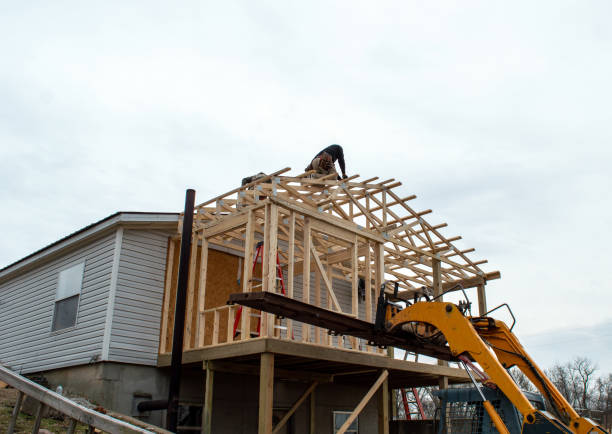
Before committing capital to an investment property, understanding its genuine renovation potential — not just its current condition, but what it could realistically become with the right renovation approach — is central to accurately underwriting a deal's true profit potential. Investors who develop a systematic approach to this evaluation make more confident, accurate offers and avoid both overpaying for properties with limited upside and underestimating properties with genuine value-add potential.
Understanding the Difference Between Current Condition and Renovation Potential
A property's current condition tells only part of the story relevant to an investment decision. Renovation potential considers what specific improvements could realistically achieve in terms of increased value, rent, or marketability, which requires looking beyond surface-level condition to understand the property's underlying structure, layout, and how it compares to the ceiling for renovated properties in that specific neighborhood.
Step 1: Assess the Underlying Structure and Systems
Before considering cosmetic renovation potential, evaluate whether the property's foundation, structure, roofing, and major systems (electrical, plumbing, HVAC) are sound or will require significant investment before any value-add renovation work can even begin. Properties requiring extensive foundational work before cosmetic improvements can proceed carry different risk and cost profiles than properties with sound underlying structure needing primarily cosmetic and layout updates.
Step 2: Understand the Neighborhood's Renovation Ceiling
Every neighborhood has an effective ceiling for renovated property values, beyond which additional renovation investment doesn't proportionally increase resale value or achievable rent. Understanding this ceiling — through comparable sales or rental data for renovated properties in the specific area — prevents both underinvesting in a property with genuine upside and overinvesting beyond what the neighborhood will actually support in terms of value or rent.
Step 3: Evaluate the Existing Layout's Fundamental Workability
Properties with a fundamentally workable layout, even if currently dated or in need of cosmetic updates, generally offer stronger and more cost-effective renovation potential than properties requiring significant structural changes to achieve a functional, marketable layout. Understanding whether a property's core layout works, or would require expensive structural intervention to fix, significantly affects overall renovation cost and potential return.
Step 4: Identify High-Impact, Cost-Effective Improvement Opportunities
Look specifically for properties where relatively modest, cost-effective improvements could deliver disproportionate value increase — dated kitchens or bathrooms in an otherwise sound property, cosmetic updates needed throughout a structurally solid home, or curb appeal improvements that could meaningfully shift buyer or tenant perception without requiring major structural investment.
Step 5: Consider What's Missing Relative to Neighborhood Expectations
Properties lacking features that buyers or tenants in a specific neighborhood have come to expect — updated kitchens, sufficient bathrooms, modern systems — may represent stronger renovation opportunities if these gaps can be addressed cost-effectively, since closing this expectation gap often delivers meaningful value increase relative to the investment required.
Step 6: Get Professional Input on Renovation Scope and Cost
Before finalizing a purchase decision based on assumed renovation potential, getting a contractor's assessment of the specific property provides much more accurate renovation cost estimates than generic assumptions, helping confirm whether the anticipated renovation actually pencils out as profitably as initially assumed.
Red Flags That Limit Renovation Potential
Significant structural or foundation issues that would need to be addressed before any value-add renovation could proceed, often consuming a disproportionate share of the renovation budget on non-value-add necessary repairs.
A layout requiring extensive structural changes to achieve a marketable configuration, which can quickly consume renovation budget on structural work rather than the visible improvements that actually drive value increase.
A neighborhood ceiling too low to justify significant renovation investment, where even a well-executed renovation wouldn't be supported by comparable sales or rental rates in the immediate area.
Signs of Strong Renovation Potential
Sound underlying structure and systems requiring primarily cosmetic and moderate updates rather than extensive structural intervention. A workable existing layout that doesn't require expensive structural changes to achieve market-competitive functionality. A clear gap between current condition and neighborhood renovation ceiling, suggesting genuine room for value-add improvement within a realistic renovation budget.
Building a Systematic Evaluation Process
For investors regularly evaluating potential acquisitions, developing a systematic, consistent approach to assessing renovation potential — rather than relying on instinct or inconsistent evaluation criteria from deal to deal — supports more accurate, confident underwriting and reduces the risk of costly misjudgments about a property's actual value-add potential.
Making Confident Offers Based on Genuine Potential
Understanding a property's true renovation potential, grounded in a systematic assessment of its structure, layout, and neighborhood context rather than surface-level assumptions, allows investors to make offers with genuine confidence in the underlying deal economics, rather than discovering after purchase that the anticipated renovation potential doesn't actually materialize as expected.

Evaluating a potential investment property? Book a consultation and get an accurate assessment of its real renovation potential. Book a Free Inspection



Find Us On


