


Our Blog
Fix and Flip Timeline: How Long Does a DFW Renovation Really Take?
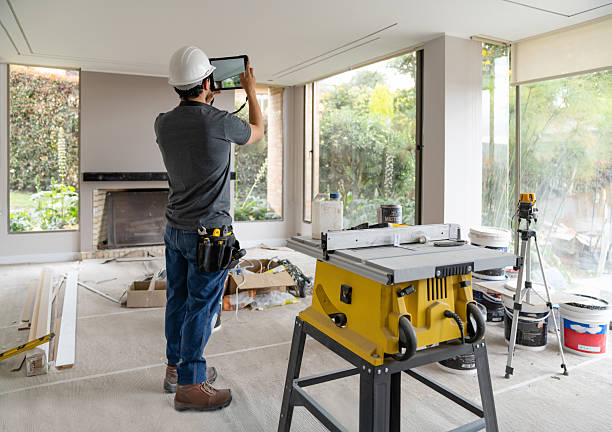
For real estate investors running the numbers on a fix and flip, the renovation timeline is just as important as the renovation budget. Every extra week a property sits mid-renovation adds to holding costs — loan interest, insurance, utilities, and property taxes — that eat directly into profit margins. Understanding a realistic timeline, not an optimistic best-case scenario, is essential for accurate deal underwriting.
Why Timeline Estimates Often Go Wrong
Many investors, particularly those newer to flipping, underestimate renovation timelines because they base projections on best-case scenarios rather than accounting for realistic delays: permitting timelines, material lead times, unexpected issues discovered once walls are opened up, and standard scheduling logistics with contractors and subcontractors.
A Realistic Phase-by-Phase Timeline
Scope and planning (1–2 weeks). Before any work begins, finalizing the renovation scope — what's cosmetic, what requires permits, what the target buyer expects for the neighborhood — sets the foundation for an accurate timeline and budget.
Permitting, if required (1–4 weeks). Any work involving electrical, plumbing, or structural changes typically requires permits, and processing times vary by municipality within the DFW metroplex. This step is often out of an investor's direct control but should be factored into the overall timeline from the start.
Demolition and rough-in work (1–3 weeks). Initial demolition, along with any plumbing, electrical, or framing changes, typically happens early in the project. This phase often reveals unexpected issues — outdated wiring, water damage, or foundation concerns — that can affect both timeline and budget.
Major systems and structural work (2–4 weeks). HVAC updates, electrical panel work, plumbing rerouting, and any structural changes like wall removal happen during this phase, and timeline here depends heavily on the scope of changes required.
Interior finishes (3–6 weeks). Flooring, cabinetry, countertops, paint, and fixtures are installed during this phase. Timeline varies based on material lead times — custom cabinetry, for example, often has a longer lead time than stock options, which can extend this phase if not ordered early in the process.
Exterior work (1–3 weeks, often overlapping with interior work). Roofing, exterior paint, landscaping, and curb appeal improvements typically happen alongside interior finish work when scheduled efficiently, rather than sequentially, to keep the overall timeline shorter.
Final walkthrough and staging (1 week). Before listing, a final walkthrough identifies any remaining punch list items, followed by staging and professional photography to prepare the property for market.
Total Realistic Timeline
Adding these phases together, a typical fix and flip renovation in the DFW area realistically takes 8 to 16 weeks from purchase to listing-ready, with more extensive renovations — full gut jobs, significant structural changes, or additions — extending well beyond that range.
Factors That Commonly Extend Timelines
Permitting delays. Municipal permit processing times vary significantly and are often the least predictable part of a renovation timeline.
Material lead times. Custom cabinetry, specialty tile, and certain appliances can have lead times of several weeks to months, which can become the bottleneck for an otherwise fast-moving project if not ordered early.
Discovered issues. Water damage, outdated electrical, foundation concerns, or code violations discovered once work begins are common in older DFW housing stock and can add both time and cost to a project that looked straightforward on paper.
Contractor scheduling and coordination. Projects involving multiple subcontractors — electrical, plumbing, HVAC, flooring — require careful sequencing. Poor coordination between trades is one of the most common (and avoidable) sources of timeline slippage.
Building Timeline Buffer Into Your Underwriting
Given how frequently even well-planned renovations run longer than the optimistic estimate, building a realistic timeline buffer — and the associated holding costs — into deal underwriting from the start protects against underestimating total project cost. A contractor who provides a detailed, phase-by-phase timeline upfront, rather than a single vague completion date, makes this kind of accurate underwriting possible.

Underwriting your next flip and need a realistic renovation timeline? Book a consultation and get a detailed, phase-by-phase scope. Book a Free Inspection



Find Us On


