


Our Blog
Hail Damage Roof Signs Every DFW Homeowner Should Know
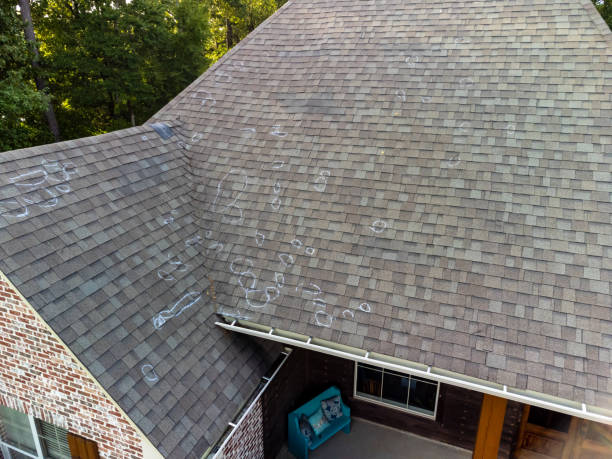
North Texas homeowners know the feeling. The sky turns green, the wind picks up, and within minutes a hailstorm rolls through the DFW metroplex leaving dented cars, stripped landscaping, and roofs that look untouched from the ground — but aren't. Hail damage is one of the most commonly missed forms of home damage because it rarely announces itself. There's no leak on day one. No missing shingles blowing across the yard. Just small, subtle marks on your roofing material that, left unaddressed, turn into much bigger problems down the road.
If you've had a hailstorm move through your neighborhood recently, here's what you actually need to look for, why it matters, and what to do next.
Why Hail Damage Is So Easy to Miss
Hail damage doesn't always look dramatic. Unlike wind damage, which can rip shingles loose or expose your roof deck, hail damage tends to be granular — literally. Hailstones bruise asphalt shingles, knocking loose the protective granules that shield the shingle from UV rays and moisture. From the ground, a hail-damaged roof can look completely normal. That's exactly why so many homeowners skip the inspection step after a storm, only to discover a leak six months later during the next heavy rain.
Hail damage is also often invisible from a standard walkthrough. It typically takes a trained eye — and sometimes a trip up onto the roof — to spot the difference between normal wear and true storm damage.
Signs of Hail Damage to Look For
While a full roof inspection is the only reliable way to confirm hail damage, there are a few signs homeowners can watch for on their own:
Granule loss in gutters. After a hailstorm, check your gutters and downspouts for small black or colored granules. If you're finding a noticeable buildup, your shingles are shedding their protective coating — a strong sign of impact damage.
Dents on soft metal surfaces. Look at your gutters, downspouts, window screens, HVAC unit, and any exposed metal flashing. If hail was large enough to dent these softer materials, it was likely large enough to damage your shingles too.
Bruised or soft spots on shingles. From the ground with binoculars, or up close if it's safe, look for dark, bruised-looking spots on shingles. Press gently — a soft or spongy feel usually means the mat beneath the granules has been compromised.
Cracked or chipped shingle edges. Hail impact can crack the brittle edges of asphalt shingles, especially on older roofs where the material has already lost some flexibility from sun exposure.
Exposed fiberglass mat. In more severe hail events, the impact can knock granules completely off, exposing the black fiberglass mat underneath. This is one of the clearest signs of significant damage and usually means a section of roof needs replacing, not just repair.
Why Timing Matters After a Storm
Most homeowners insurance policies have a window for filing a storm damage claim — often 12 months from the date of loss, though this varies by policy. Waiting too long to document damage can complicate or even void a claim, especially if additional storms roll through in the meantime and an adjuster can't determine which damage came from which event.
There's also a practical reason to move quickly: hail damage tends to get worse, not better. A shingle with exposed fiberglass mat is far more vulnerable to water intrusion during the next rain. What starts as a cosmetic issue can turn into a leak, then into damaged decking, insulation, or even interior drywall and flooring.
What a Professional Inspection Actually Looks Like
A thorough roof inspection after a hailstorm isn't just a quick glance from the driveway. A qualified roofer will get on the roof (safely, with proper equipment) and examine every slope, checking shingles, flashing, vents, and valleys for impact marks. They'll also check gutters, downspouts, and any exposed metal for the telltale dents that confirm hail size and severity.
Good documentation matters here too. Photos of granule loss, bruising, cracked shingles, and metal dents create a paper trail that supports an insurance claim if damage is found. This is also where having a contractor who understands the insurance process becomes valuable — not just someone who can patch a roof, but someone who can walk an adjuster through what they're looking at and make sure nothing gets missed or underestimated.
Repair vs. Replacement: How That Decision Gets Made
Not every hail event requires a full roof replacement. If the damage is isolated to a small section, granule loss is minor, and there's no exposed mat or cracking, a targeted repair may be all that's needed. However, if damage is spread across multiple slopes, shingles are compromised in several areas, or the roof was already near the end of its lifespan before the storm, replacement is often the more cost-effective and durable path forward — especially when insurance is covering the bulk of the cost.
A reliable roofing contractor should never push for a full replacement when a repair will do, and should be transparent about why they're recommending one option over the other.
What to Do If You Suspect Hail Damage
If your neighborhood has seen recent hail, or if it's been a while since your roof was last checked, the smartest move is a professional inspection — ideally before the next storm rolls through and complicates what damage came from where. A trained eye can usually tell within 20–30 minutes whether a roof shows signs of impact damage, and can help homeowners understand their options clearly, without pressure or guesswork.
Storm damage isn't always visible, but it's rarely something that improves on its own. Catching it early protects your home, your budget, and your peace of mind.

Not sure if your roof has hail damage? Schedule a professional inspection and get a clear, honest answer before small damage turns into a bigger repair. Book a Free Inspection



Find Us On


