


Our Blog
Handling Insurance Claims for Rental Property Storm Damage
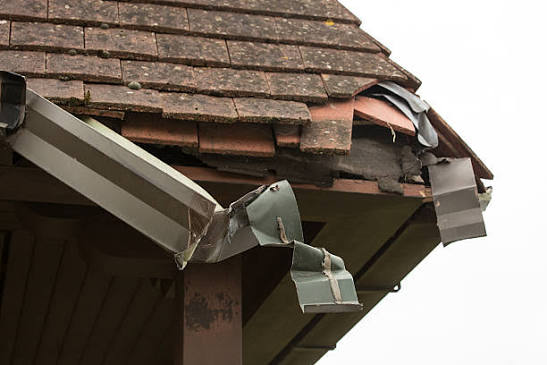
When a storm damages a rental property, property managers face a distinct challenge compared to homeowners handling their own insurance claim: navigating the claims process while also managing tenant communication, minimizing disruption to occupancy, and ensuring repairs happen efficiently enough to avoid extended vacancy or tenant dissatisfaction.
Immediate Steps After Storm Damage to a Rental Property
Document damage promptly. As soon as it's safe to do so, document visible damage with photos, both for insurance purposes and to establish a clear record of the property's condition immediately following the storm event.
Communicate with tenants immediately. Tenants should be informed promptly about any known damage, safety considerations, and the general timeline for assessment and repair, reducing anxiety and setting realistic expectations from the outset.
Address any immediate safety concerns. If storm damage has created any immediate safety hazards — exposed roofing, downed trees, or similar issues — these should be addressed or secured immediately, even before the full insurance and repair process gets underway.
Navigating the Insurance Claims Process for Rental Properties
File the claim promptly. As with any storm damage claim, prompt filing helps ensure the claim stays within policy timeframes and that damage documentation remains clearly tied to the specific storm event.
Coordinate professional inspection alongside the adjuster meeting. Having a contractor experienced in insurance claims present for or coordinated with the adjuster's assessment helps ensure the full scope of damage is properly identified, which is particularly important for rental properties where deferred or underestimated repairs can lead to ongoing tenant complaints.
Keep tenants informed throughout the claims timeline. Providing periodic updates on claims progress and expected repair timelines helps manage tenant expectations and reduces the likelihood of tenant frustration or complaints during what can sometimes be a multi-week or multi-month process.
Minimizing Disruption to Occupied Units
Prioritize temporary mitigation measures. For damage that can't be immediately repaired, temporary measures like tarping or water extraction help prevent further damage and maintain some level of unit habitability while the full claims and repair process proceeds.
Coordinate repair scheduling around tenant needs where possible. While some repair timing is dictated by the extent of damage and contractor availability, coordinating specific scheduling details with tenants when feasible helps reduce disruption and maintain a positive tenant relationship throughout the repair process.
Consider temporary relocation for severe damage. For damage severe enough to significantly affect habitability, evaluating temporary relocation options for affected tenants may be necessary, along with understanding how the specific insurance policy and lease terms address this scenario.
Managing Multiple Units or Properties After a Widespread Storm Event
For property managers overseeing multiple properties in an area affected by the same storm event, coordinating claims and repairs across several properties simultaneously requires careful prioritization, typically starting with properties experiencing the most severe damage or safety concerns before moving to less urgent repairs across the remaining affected units.
Working With a Contractor Experienced in Rental Property Claims
A contractor familiar with the specific dynamics of rental property insurance claims — balancing thorough damage documentation with the urgency of restoring habitability and tenant satisfaction — provides significant value beyond a contractor solely experienced with individual homeowner claims, given the additional considerations involved in managing occupied rental properties through the claims and repair process.
Building a Proactive Storm Response Plan
Property managers benefit from having an established storm response plan and contractor relationship in place before a storm event occurs, rather than scrambling to establish these relationships and processes reactively after damage has already occurred, given how much faster and smoother the claims and repair process moves with existing, trusted relationships already in place.

Need a reliable insurance claims and repair partner for your rental portfolio? Let's talk about a proactive storm response plan. Book a Free Inspection



Find Us On


