


Our Blog
How Long-Life Roofing Systems Perform During Texas Hailstorms
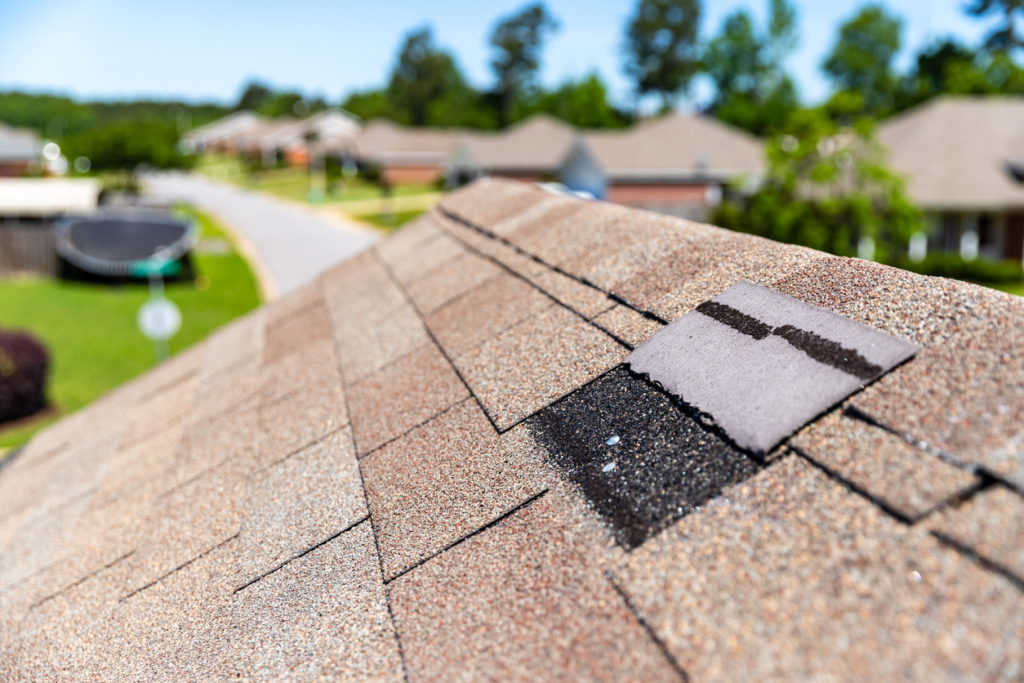
Given how frequently hail drives roofing damage and replacement decisions throughout North Texas, understanding exactly how long-life roofing systems perform during actual hailstorms — beyond the general marketing claims — helps homeowners make a more informed decision about whether the additional investment in these premium systems genuinely delivers meaningful protection during the storms that matter most in this region.
Understanding Hail Impact Testing Standards
Roofing materials undergo standardized impact testing, typically using steel balls dropped from specified heights to simulate hail impact of varying sizes. This testing determines a material's impact resistance classification, with Class 4 representing the highest rating available for asphalt shingle products, based on successfully withstanding this standardized testing without cracking.
How Standard Asphalt Shingles Perform in Hailstorms
Standard, non-impact-resistant asphalt shingles are the most vulnerable to hail damage among common roofing materials, prone to granule loss, bruising, and cracking even from moderate hail sizes, which is why standard roofing so frequently requires repair or replacement following significant North Texas hailstorms.
How Class 4 Impact-Resistant Shingles Perform
Class 4 shingles demonstrate meaningfully better resistance to cracking and structural damage during hail impact compared to standard shingles, based on their standardized testing performance. In real-world hailstorms, this translates to a substantially reduced likelihood of damage during the range of hail sizes most commonly experienced, though very large hail can still occasionally cause some granule loss or, in severe cases, damage even to Class 4 materials.
How Standing Seam Metal Roofing Performs
Standing seam metal roofing generally demonstrates strong structural resistance to hail impact, maintaining watertight integrity even when subjected to significant hail events. The primary concern with metal roofing during large hail isn't typically structural failure or leaking, but rather cosmetic denting, which some homeowners view as a minor aesthetic concern while others find more bothersome depending on their specific priorities and the visibility of the denting.
Real-World Performance Differences Following North Texas Storms
Following significant hailstorms throughout the DFW area, roofing contractors and insurance adjusters frequently observe a clear performance pattern: standard shingle roofs commonly require full replacement, Class 4 shingle roofs frequently sustain considerably less damage requiring only isolated repair rather than full replacement, and metal roofing systems typically show primarily cosmetic effects rather than the functional damage requiring immediate replacement that standard shingles often experience.
Factors Beyond Material That Affect Hail Performance
Hail size and velocity ultimately matter enormously — extremely large hail can still cause some level of damage even to premium roofing systems, meaning "impact-resistant" shouldn't be interpreted as complete immunity from all possible hail severity. Roof age and existing condition also affect performance, since even impact-resistant materials perform somewhat worse if installed over compromised underlayment or if the roof was already showing signs of wear before a hail event occurs. Installation quality affects overall roof performance during storms regardless of material choice, since even excellent materials won't perform to their full potential if installation didn't follow proper techniques and manufacturer specifications.
What This Means for Insurance Claims Following Storms
Homes with impact-resistant or long-life roofing systems generally experience meaningfully fewer full-replacement insurance claims following typical North Texas hailstorms compared to standard roofing, which is part of why many insurance carriers offer premium discounts for these materials — the reduced claim frequency represents genuine reduced risk from the insurer's perspective, not just a marketing benefit for homeowners.
Considering the Cumulative Effect Over Multiple Storms
Given how frequently North Texas experiences hailstorms over any multi-year period, the cumulative benefit of reduced damage across multiple storm events, rather than just a single hailstorm, represents a significant portion of the real-world value long-life roofing systems deliver over standard roofing throughout an extended ownership period.
Making an Informed Decision Based on Real Performance Data
Understanding how these different roofing systems actually perform during real hailstorms, rather than relying solely on general marketing claims about durability, provides homeowners with a more grounded basis for evaluating whether the additional investment in a long-life, impact-resistant roofing system genuinely makes sense given North Texas's specific hail exposure.

Curious how a long-life roofing system would perform on your home? Book a consultation and let's talk through real performance expectations. Book a Free Inspection



Find Us On


