


Our Blog
How Many Coats of Paint Do You Actually Need?
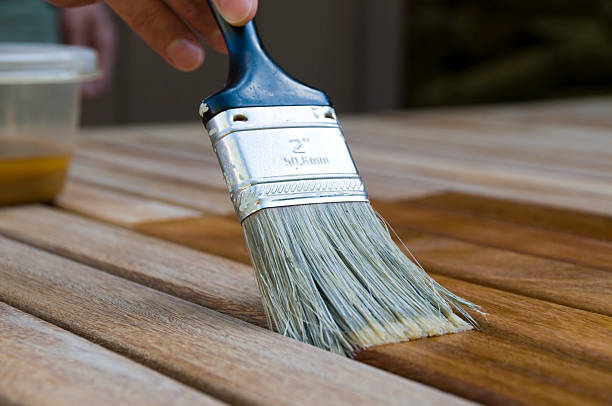
One of the most common questions homeowners have when planning a painting project is simply how many coats of paint the job actually requires. While the honest answer depends on several specific factors, understanding these factors helps homeowners set realistic expectations rather than assuming a single coat will always suffice, or conversely, always defaulting to multiple coats regardless of actual need.
Why Coat Count Isn't a One-Size-Fits-All Answer
The number of coats needed for a genuinely even, properly covered result depends on the specific color being applied, the surface's existing condition and color, the paint product's own coverage characteristics, and whether the project involves a significant color change or simply refreshing an existing similar color.
When One Coat Might Be Sufficient
Refreshing with the exact same color as the existing paint, particularly when the existing paint is in generally good condition without significant fading or damage, can sometimes achieve adequate results with a single coat, since there's no need to fully cover or transform an existing different color.
Using high-quality paint with strong coverage properties specifically formulated for good hiding power can sometimes achieve adequate coverage in fewer coats compared to lower-quality paint products, though this shouldn't be assumed universally without confirming the specific product's actual coverage performance.
When Two Coats Are Typically Necessary
Most standard color changes, even between reasonably similar tones, generally benefit from two coats to achieve fully even, consistent coverage without any show-through of the original color or any streaking or unevenness visible with just a single application.
Most new construction or bare drywall applications, even when a compatible primer has been used, typically benefit from two topcoats to achieve the kind of even, professional-quality finish most homeowners expect from a painting project.
When Three or More Coats May Be Necessary
Significant color changes, particularly moving from a dark color to a much lighter one, or vice versa, often require three coats to fully and evenly cover the previous color without any show-through, since dramatic color transitions place considerably more demand on a paint's hiding power than more modest color changes.
Certain colors with inherently lower hiding power, particularly some reds, yellows, and other colors formulated with pigments that don't provide as strong opacity as other color families, sometimes require additional coats regardless of how dramatic the underlying color change might be.
Surfaces with staining or discoloration that a standard topcoat alone won't adequately cover may require either a specific stain-blocking primer followed by standard topcoat application, or additional topcoats attempting to achieve coverage without a dedicated stain-blocking product, though the primer approach is generally more reliable and often more cost-effective than relying purely on additional topcoat applications.
How Primer Affects Coat Count Requirements
Using an appropriate primer, particularly for significant color changes, new drywall, or surfaces with staining concerns, often reduces the number of topcoat applications needed compared to skipping primer and relying entirely on the topcoat paint itself to achieve full coverage and color transformation, making primer use a worthwhile consideration for managing overall coat requirements efficiently.
Why Skipping Necessary Coats Creates Problems
Attempting to achieve adequate coverage with fewer coats than a specific project genuinely requires typically results in visible unevenness, show-through of the underlying color, or streaking that becomes particularly apparent under certain lighting conditions, ultimately requiring the additional coat to be applied anyway, making the initial attempt to save time or material cost through insufficient coats often counterproductive in practice.
How Professional Painters Determine Coat Requirements
Experienced painters typically assess coat requirements based on the specific color transition involved, the existing surface condition, and the specific paint product's known coverage characteristics, often testing coverage on a small area before committing to a full-project coat count assumption, providing more reliable planning than a generic one-size-fits-all coat count expectation applied regardless of a project's specific characteristics.
Budgeting Appropriately for Actual Coat Requirements
Given how significantly coat requirements can vary based on these specific project factors, homeowners should discuss realistic coat expectations with a painting contractor based on their specific color and surface situation, rather than assuming a standard, generic coat count applies universally regardless of the significant variation these specific factors can create.
Getting an Accurate Assessment for Your Project
The most reliable way to understand actual coat requirements for a specific painting project is a professional assessment considering the specific color transition, existing surface condition, and paint product being used, providing realistic expectations for project timeline and material requirements rather than a generic assumption that may not reflect a specific project's actual coverage needs.

Wondering how many coats your specific painting project will need? Book a consultation and let's assess your project accurately. Book a Free Inspection



Find Us On


