


Our Blog
How Often Should You Repaint Your Home in Texas?
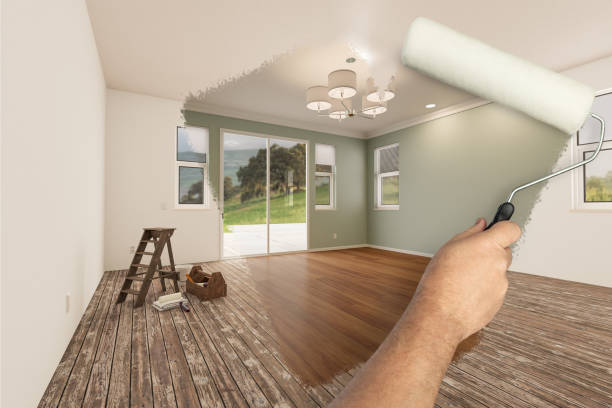
Texas weather is uniquely hard on a home's exterior. Between triple-digit summer heat, intense UV exposure, sudden hailstorms, and humidity swings throughout the year, paint in North Texas simply doesn't last as long as it would in a milder climate. For homeowners wondering whether it's time to repaint, or trying to plan ahead for the expense, understanding the real timeline — and the signs that matter more than the calendar — makes all the difference.
The General Timeline for Exterior Repainting
Most exterior paint jobs in North Texas last somewhere between 5 and 10 years, depending on the quality of the paint used, the surface material, sun exposure, and how well the previous paint job was applied. Homes with heavy west or south-facing exposure tend to fade and break down faster due to more direct sunlight throughout the day. Homes shaded by mature trees often get a few extra years out of a paint job simply because they're protected from the harshest UV rays.
Siding material also plays a role. Wood siding tends to need repainting more frequently than brick or fiber cement, since wood expands and contracts more with temperature changes and is more vulnerable to moisture absorption. Stucco exteriors can often go longer between paint jobs but are prone to visible cracking that needs addressing before repainting.
Signs It's Time for a Fresh Coat — Beyond Just "It Looks Old"
While a faded, dull appearance is the most obvious clue, there are several more specific signs that indicate paint has reached the end of its useful life, not just its cosmetic life:
Chalking. If you run your hand along the exterior wall and it leaves a powdery residue on your fingers, the paint's binders have broken down from UV exposure. This is one of the clearest signs that paint is no longer protecting the surface underneath.
Cracking or peeling. Small hairline cracks can turn into larger peeling sections, especially in Texas heat where the expansion and contraction cycle is more extreme. Peeling paint exposes bare wood or siding to moisture, which can lead to rot if left unaddressed.
Fading, especially on sun-facing walls. Uneven fading between shaded and sun-exposed walls is normal, but significant color loss across the board usually means the paint's protective UV coating has broken down.
Caulking gaps around windows and trim. Cracked or missing caulk around windows, doors, and trim allows moisture to get behind the paint layer, accelerating peeling and, over time, wood rot.
Visible mildew or mold spots. Persistent dark spots, especially in shaded or humid areas of the home, indicate moisture is getting trapped rather than shedding off the surface as it should.
Interior Painting: A Different Timeline
Interior paint doesn't face the same UV and weather exposure, so it typically lasts much longer — often 7 to 10 years in low-traffic rooms like formal living rooms or guest bedrooms, and 3 to 5 years in high-traffic areas like kitchens, hallways, and kids' rooms where walls see more wear, scuffing, and cleaning.
Bathrooms and kitchens also face humidity and grease exposure respectively, which can cause paint to break down faster if the wrong sheen or paint type was used originally. A satin or semi-gloss finish tends to hold up better in these rooms than flat paint, which shows wear and stains more easily.
Choosing Paint That Actually Lasts in Texas Heat
Not all exterior paint is built the same, and in a climate like DFW's, quality matters more than in milder regions. 100% acrylic exterior paints tend to outperform cheaper alternatives when it comes to UV resistance, flexibility (important for expansion and contraction), and resistance to mildew growth. Higher-quality paint costs more upfront but often extends the repaint cycle by several years, which typically makes it the better investment over time.
Proper surface prep also matters as much as the paint itself. Pressure washing, scraping loose or peeling paint, sanding rough spots, and re-caulking gaps before painting all significantly extend how long a new paint job will last. Skipping these steps to save time is one of the most common reasons a paint job fails early.
Planning Ahead for Your Next Paint Job
If your home's exterior paint is approaching the 5-to-10-year mark, or if you're noticing chalking, cracking, or fading, it's worth getting a professional assessment before problems worsen. A proper inspection can identify whether it's simply time for fresh paint, or whether underlying issues like wood rot or moisture intrusion need to be addressed first.

Wondering if your home is due for a fresh coat? Get an honest assessment and a clear plan for interior or exterior painting. Book a Free Inspection



Find Us On


