


Our Blog
How Roof Pitch Affects Material Choice and Cost
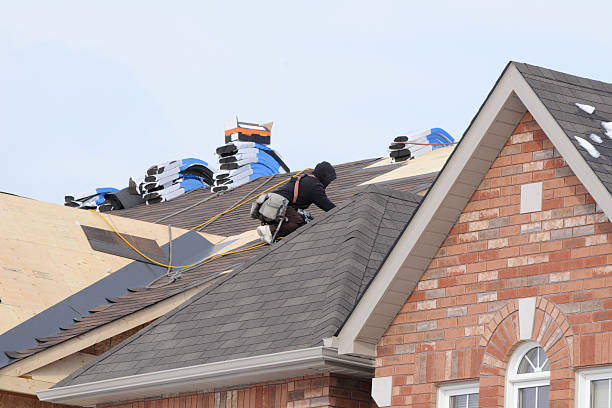
Roof pitch — the steepness or slope of a roof's surface — affects far more than a home's visual profile. This single characteristic influences which roofing materials are actually viable options, how installation complexity and safety considerations change, and ultimately how project cost is calculated. Understanding this connection helps homeowners better interpret why roofing quotes and material recommendations sometimes differ significantly between homes with different roof configurations.
Understanding How Roof Pitch Is Measured
Roof pitch is typically expressed as a ratio of vertical rise to horizontal run, commonly described in terms like "a 6:12 pitch," meaning the roof rises 6 inches for every 12 inches of horizontal distance. Low-slope roofs might have a pitch of 3:12 or less, moderate pitches fall in the middle range most common for residential construction, and steep pitches exceed 8:12 or 9:12, requiring specific safety and installation considerations.
Why Pitch Affects Material Options
Low-slope roofs face greater water pooling risk since water drains more slowly across a shallower slope, making certain materials like standard asphalt shingles less suitable below a certain minimum pitch threshold, and often requiring specialized low-slope or flat roofing systems like membrane roofing instead.
Moderate-pitch roofs represent the most common configuration for standard residential construction and are compatible with the widest range of roofing material options, from standard asphalt shingles to metal roofing and most premium long-life systems.
Steep-pitch roofs shed water very efficiently but introduce installation safety considerations that affect labor requirements and can limit certain material choices that become more difficult or costly to install safely at very steep angles.
How Pitch Affects Installation Safety and Labor
Steeper roofs require additional safety equipment and precautions for roofing crews, along with generally slower, more careful installation work given the increased fall risk compared to a more moderate pitch. This translates directly into higher labor costs for steep-pitch roofing projects compared to equivalent work on a more moderately pitched roof.
How Pitch Affects Material Quantity and Waste
Steeper roofs generally have more actual surface area relative to the home's footprint compared to a lower-pitch roof of the same building size, since the roof surface itself covers more actual square footage as pitch increases. This means steeper roofs typically require more roofing material for the same building footprint, directly affecting material cost calculations.
Pitch Considerations for Long-Life Roofing Systems
Standing seam metal roofing and other premium long-life systems generally perform well across a wide range of pitch configurations, though very low-slope applications may require specific system variations designed for these conditions rather than standard product lines intended for moderate to steep pitch applications.
Pitch Considerations for Ventilation Design
Roof pitch also affects ventilation system design, since ridge vent effectiveness and overall attic ventilation calculations need to account for the specific roof configuration and available ridge length relative to the home's overall size, meaning ventilation planning isn't entirely independent of a roof's specific pitch characteristics.
Why Contractors Ask About Pitch Early in the Estimation Process
Experienced roofing contractors typically assess roof pitch early in the estimation process specifically because this characteristic affects so many downstream considerations — material options, labor cost, safety requirements, and ventilation design — making accurate pitch assessment an important early step in developing a genuinely accurate project quote rather than a minor detail that can be addressed later in the process.
How Pitch Affects Repair vs. Replacement Considerations
For roofs requiring repair rather than full replacement, pitch also affects the practical safety and feasibility of repair work, with very steep pitches sometimes requiring more specialized safety equipment or approach even for relatively modest repair projects compared to equivalent repairs on a more moderately pitched roof.
Considering Pitch During New Construction or Major Renovation
For homeowners involved in new construction or major additions affecting roofline design, understanding how different pitch choices affect material options, cost, and long-term performance provides useful context for working with architects or designers on roofline decisions, rather than treating pitch purely as an aesthetic choice disconnected from these practical downstream considerations.
Getting Accurate Guidance for Your Specific Roof
Given how significantly pitch affects material options, cost calculations, and installation considerations, a professional assessment that specifically accounts for a home's actual roof pitch provides considerably more accurate guidance than generic cost or material assumptions that don't account for this fundamental characteristic of a specific roof.

Want to understand how your roof's specific pitch affects your options and costs? Book a free inspection and let's discuss the details. Book a Free Inspection



Find Us On


