


Our Blog
How to File a Roof Insurance Claim in Texas: Step-by-Step Guide
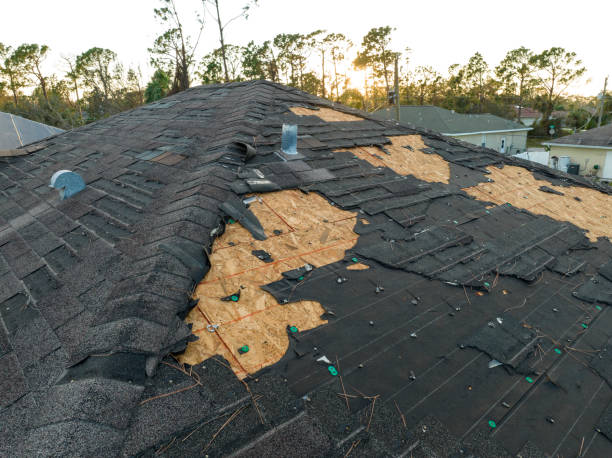
After a hailstorm or major wind event, filing a roof insurance claim can feel overwhelming — especially for homeowners going through the process for the first time. Between documenting damage, scheduling adjuster meetings, and understanding what's actually covered, the process has a lot of moving parts. Knowing what to expect at each step makes the entire process significantly less stressful and helps ensure nothing important gets missed along the way.
Step 1: Document the Damage
Before anything else, document any visible damage as thoroughly as possible. This includes photos of the roof from the ground (and up close if safe to do so), any dents on gutters, downspouts, or other exposed metal, and any interior signs of leaking like water stains on ceilings. The more thorough this initial documentation, the stronger the foundation for the rest of the claims process.
Step 2: Get a Professional Roof Inspection
A professional roofing inspection identifies damage that isn't visible from the ground — granule loss, cracked shingles, or exposed fiberglass mat that a homeowner might easily miss. This inspection provides both a clear picture of the actual damage and additional documentation to support the claim, including detailed photos an adjuster will find useful during their own assessment.
Step 3: File the Claim With Your Insurance Company
Once damage is documented, the next step is contacting the insurance company to formally file a claim. Most policies have a specific window for filing after a storm event — often around 12 months, though this varies by policy — so it's important not to delay this step once damage is identified.
Step 4: Schedule the Adjuster Meeting
After a claim is filed, the insurance company will schedule an adjuster to inspect the property and assess the damage firsthand. This is one of the most important steps in the process, since the adjuster's assessment directly determines what the insurance company agrees to cover. Having a roofing contractor present during this meeting, or at minimum available for the adjuster's questions, helps ensure the full scope of damage is properly identified and documented — rather than underestimated.
Step 5: Review the Insurance Settlement
Following the adjuster's assessment, the insurance company issues a settlement outlining what will be covered. It's worth reviewing this carefully against the actual scope of damage identified during the professional inspection, since initial settlements sometimes underestimate the full extent of necessary repairs.
Step 6: Request Supplements if Needed
If the initial settlement doesn't fully account for the scope of damage — a common occurrence, particularly with hidden damage discovered once repair work begins — a supplement request can be filed with the insurance company to cover the additional necessary work. This step often requires clear documentation and communication between the contractor and the insurance company to support the additional claim.
Step 7: Complete the Repair or Replacement Work
Once the settlement (including any supplements) is finalized, the actual repair or replacement work begins. A reliable contractor will provide clear timelines and keep homeowners updated throughout the process, particularly important if the home has active leaks or other urgent issues that need to be managed during construction.
Step 8: Obtain a Certificate of Completion
After work is finished, a certificate of completion documents that the repairs were completed according to the agreed scope. This document is often needed by the insurance company to close out the claim and can also be useful for homeowners to keep on file for future reference, particularly if questions arise about the roof's condition or history down the road.
Common Mistakes to Avoid During the Claims Process
Delaying the initial inspection after a storm is one of the most common mistakes, since damage can worsen over time and complicate the connection between a specific storm event and the resulting damage. Accepting an initial settlement without a professional second opinion on the actual scope of damage is another common misstep that can leave homeowners covering repair costs that should have been included in the claim.
Why Contractor Experience With Insurance Claims Matters
Not every roofing contractor has deep experience navigating the insurance claims process. A contractor who regularly works with insurance adjusters understands what documentation matters, how to accurately represent the scope of damage, and how to advocate for a fair settlement — making the entire process smoother and less stressful for homeowners already dealing with storm damage.

Dealing with storm damage and not sure where to start? Book a free inspection and let's walk through the insurance claim process together. Book a Free Inspection



Find Us On


