


Our Blog
How to Match Paint Colors When Doing a Partial Touch-Up
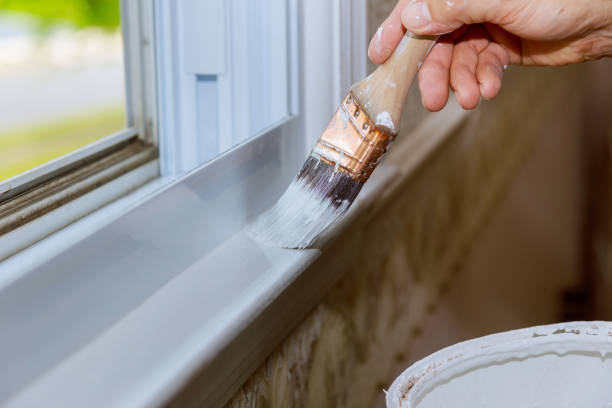
Touching up a small area of paint — after a scuff, a repair, or minor damage — seems straightforward in concept, but achieving a genuinely seamless match without an obvious, visible patch requires more attention to detail than many homeowners initially expect. Understanding what actually goes into a successful touch-up helps set realistic expectations and improve the odds of a genuinely invisible repair.
Why Touch-Ups Sometimes Don't Match, Even With the "Same" Paint
Paint aging and fading over time means that even paint from the exact same original can or formula may no longer perfectly match a wall that's aged, faded slightly, or been exposed to years of light and environmental factors since the original application, creating a subtle but sometimes noticeable difference between old and new paint.
Sheen differences from application method can create visible discrepancies even when the paint color itself matches well, since a small touch-up applied with a brush often has a subtly different sheen and texture compared to the original wall finish applied with a roller or sprayer.
Different batch variations in paint manufacturing mean that even paint labeled with the identical color name and code can have subtle variations between different production batches, particularly if the touch-up paint was purchased separately from the original project rather than saved from the same original batch.
Best Practices for Successful Paint Touch-Ups
Use paint saved from the original project whenever possible, since this guarantees an exact match rather than relying on a new purchase that might come from a different production batch, even with identical color specifications.
If original paint isn't available, get an accurate color match through professional color-matching services, ideally bringing an actual paint chip or small sample from the wall rather than relying on a paint can label or memory of the original color name.
Match the original application method as closely as possible, using a similar tool (brush, roller, or in some cases a small sprayer for very particular situations) and application technique to minimize sheen and texture differences between the touch-up and surrounding original paint.
Feather the edges of the touch-up area rather than applying paint with sharp, defined edges, helping blend the repair more naturally into the surrounding wall rather than creating an obvious rectangular or geometric patch.
Consider the lighting conditions where the touch-up will be viewed, since paint that appears to match well in one lighting condition might show more visible discrepancy under different natural or artificial lighting throughout the day.
When a Full Wall Repaint Makes More Sense Than a Touch-Up
Extensive damage covering a large area relative to the overall wall size often looks better with a full wall repaint rather than attempting to blend an unusually large touch-up area, since larger touch-up areas make subtle color or sheen mismatches more visually apparent.
Walls with significant existing fading or aging may show enough contrast between old and new paint that even a well-executed touch-up remains visible, making a full repaint the more reliable path to a genuinely seamless result.
High-visibility areas where a homeowner is particularly concerned about achieving a flawless appearance may warrant a full repaint rather than accepting the inherent risk that even a carefully executed touch-up might show some subtle visible difference.
Preparing for Future Touch-Up Needs
Saving leftover paint from every painting project, properly labeled with the color name, code, and date, provides the best possible resource for successful future touch-ups, since this guarantees an exact match from the same original batch used for the initial full application.
Storing paint properly in a cool, dry location with the can sealed tightly helps preserve saved paint's usability for future touch-up needs over an extended period, rather than allowing saved paint to deteriorate or separate before it's eventually needed.
Getting Professional Help for Larger or More Visible Touch-Ups
For touch-ups in highly visible areas, or situations where an original paint sample isn't available and color matching needs to be as accurate as possible, working with a professional painter experienced in touch-up technique can improve the odds of a genuinely seamless result compared to a DIY attempt without this specific technique experience.
Setting Realistic Expectations
While many touch-ups can be executed successfully with attention to these details, homeowners should understand that achieving a completely invisible touch-up isn't always guaranteed, particularly for larger areas or walls with significant existing aging, making it worth weighing whether a touch-up attempt or a full repaint better serves a specific situation's needs.

Need help matching paint for a touch-up or deciding if a full repaint makes more sense? Book a consultation to talk through your situation. Book a Free Inspection



Find Us On


