


Our Blog
How to Spot a Storm Chaser Roofing Scam After a DFW Hailstorm
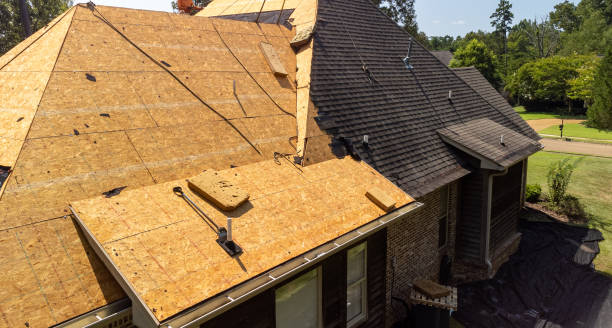
After a significant hailstorm moves through the DFW area, it's common for out-of-town roofing crews, sometimes called storm chasers, to flood into affected neighborhoods offering fast repairs and door-to-door deals. While legitimate traveling crews do exist, this pattern also attracts scammers looking to take advantage of homeowners dealing with fresh storm damage. Knowing the warning signs helps homeowners avoid a costly mistake during an already stressful time.
Why Storm Chasers Target Areas After Major Hail Events
Following a significant hailstorm, demand for roofing repairs spikes dramatically within the affected area, creating an opportunity for both legitimate traveling roofing crews and less scrupulous operators to move in quickly, often going door-to-door before homeowners have had time to research and vet contractors properly.
Red Flag: Unsolicited Door-to-Door Sales Pressure
While some legitimate contractors do canvass neighborhoods after a storm, aggressive, high-pressure sales tactics — insisting on an immediate inspection or contract signing, claiming they happened to notice damage while working on a neighbor's roof, or pushing to sign before a homeowner has time to think it over — are common tactics associated with less reputable operators.
Red Flag: No Local Address or Verifiable Business History
Scammers frequently operate without an established local address or verifiable business history in the area, making them essentially impossible to locate again if problems arise after the initial job. A legitimate, established local contractor should have a verifiable physical address, a real business history in the community, and references from local customers.
Red Flag: Requesting Full Payment Upfront
Reputable contractors typically structure payment around project milestones or completion, rather than requiring the full contract amount before any work begins. A demand for full upfront payment, particularly from an unfamiliar or newly arrived contractor, is one of the clearest warning signs of a potential scam.
Red Flag: Pressure to Sign an Insurance Assignment of Benefits Immediately
Some storm chasers push homeowners to sign an assignment of benefits document immediately, which transfers control of the insurance claim directly to the contractor. While this isn't inherently illegitimate, homeowners should fully understand what they're signing and avoid feeling rushed into this decision without proper explanation and consideration.
Red Flag: Offering to Waive the Insurance Deductible
Contractors offering to cover or waive a homeowner's insurance deductible, sometimes by inflating the claim amount to cover the difference, are engaging in a practice that constitutes insurance fraud. Legitimate contractors do not make this kind of offer, and homeowners should be wary of any contractor suggesting this arrangement.
Red Flag: No Proof of Licensing or Insurance
Requesting and verifying proof of licensing and liability insurance is a reasonable and important step with any contractor, but it's particularly important with unfamiliar traveling crews, since verifying this information becomes far more difficult once the crew has moved on to the next affected area.
How to Protect Yourself After a Storm
Research before signing anything. Take time to research a contractor's business history, check for local references, and verify licensing and insurance before agreeing to any work, even if a contractor pushes for urgency.
Get multiple quotes. Comparing quotes and scope of work from multiple contractors, including at least one established local company, provides a valuable reference point and reduces the risk of accepting an inflated or fraudulent quote.
Verify local presence. A contractor with an established local address, a real track record in the community, and the ability to provide local references offers far more accountability than an unfamiliar crew that arrived shortly after the storm.
Trust your instincts on pressure tactics. Legitimate contractors understand that homeowners need time to make an informed decision. Excessive pressure to sign immediately is a signal worth taking seriously.
Choosing a Trustworthy Local Contractor After Storm Damage
The safest path after storm damage is working with an established, local contractor with a genuine track record in the community — one who will still be reachable and accountable long after the initial storm response rush has passed.

Dealing with storm damage and want a trustworthy, established local contractor? Book a free inspection with our local DFW team. Book a Free Inspection



Find Us On


