


Our Blog
Is a 50-Year Roof Worth the Investment? Cost vs. Longevity
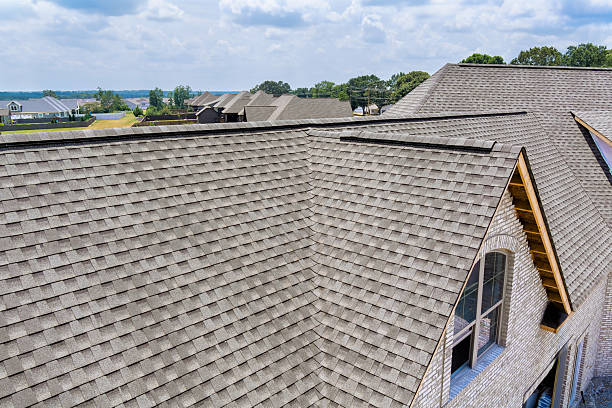
When facing a roof replacement, DFW homeowners are often presented with a choice: a standard roofing system built to last 15 to 20 years, or a premium, long-life system designed to last 50 years or more. The upfront cost difference can be significant, which naturally raises the question — is the extended lifespan actually worth the additional investment, or is it a premium that doesn't pay off in practice?
Breaking Down the Cost Difference
Standard asphalt shingle roofing typically carries the lowest upfront installation cost among common roofing options. Premium, long-life roofing systems — which may include upgraded impact-resistant shingles, enhanced underlayment, and improved ventilation and flashing details — cost more upfront, often a meaningful percentage above a standard installation. The specific gap varies based on the exact materials and system components chosen.
Calculating Long-Term Value
The math on a 50-year roofing system isn't just about the roof itself — it's about avoiding the cost of multiple replacements over the same time period. A homeowner staying in their home for several decades might face two, or even three, standard roof replacements over that span, each with their own material and labor costs, plus the disruption of the project itself. A single long-life roofing system, by comparison, may only need to be installed once during that entire period.
Beyond the sticker price for the initial roof, ongoing repair and maintenance costs also factor in. Premium roofing systems generally require fewer repairs over their lifespan, partly due to more resilient materials and partly due to the more robust installation standards that typically accompany these systems.
Insurance Considerations
Some insurance carriers offer discounts for impact-resistant roofing materials, which can partially offset the higher upfront cost over the life of the roof. This is worth discussing directly with an insurance provider, since discount availability and amount vary by carrier and policy.
Who Benefits Most From a Long-Life Roofing System
Homeowners planning to stay in their home for many years see the strongest value from a premium roofing system, since they're the ones who benefit most from the extended lifespan and reduced need for future replacement. Homeowners planning a shorter-term stay may find a standard roofing system more cost-effective, since they won't be in the home long enough to benefit from the extended lifespan.
Homeowners in hail-prone areas — which describes much of North Texas — also see added value from the impact-resistant materials commonly included in long-life roofing systems, given how frequently hailstorms drive roof replacement decisions in this region regardless of a roof's age.
Considerations Beyond Pure Cost Math
While the financial comparison matters, some homeowners also weigh the reduced disruption of fewer roof replacements over their time in the home, the reduced likelihood of storm damage requiring emergency repairs, and simply the peace of mind of not needing to think about a roof replacement again for decades.
Making the Decision for Your Home
The right choice between a standard and premium roofing system depends on how long a homeowner plans to stay in their home, their budget for upfront cost, and how much they value reduced long-term maintenance and disruption. A detailed conversation with a roofing contractor about the specific systems, warranties, and costs available can help homeowners make this decision with real numbers rather than general assumptions.

Weighing a standard roof against a premium, long-life system? Book a consultation and get a clear cost comparison for your home. Book a Free Inspection



Find Us On


