


Our Blog
Outdoor Living Lighting Design: Beyond String Lights
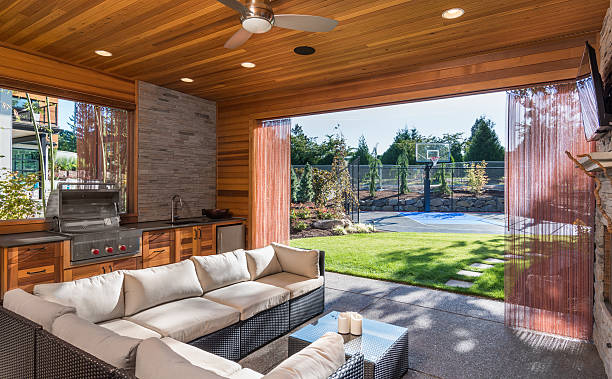
String lights have become a nearly ubiquitous backyard feature, and for good reason — they're accessible, affordable, and deliver genuine ambiance. But a truly well-designed outdoor lighting scheme goes considerably further, layering different lighting types and purposes to create a backyard that's genuinely functional and beautiful after dark, rather than relying on a single lighting element to do all the work.
Why Thoughtful Lighting Design Matters for Backyard Living
Quality outdoor lighting extends a backyard's usable hours well into the evening, supports safety around steps, pathways, and pool areas, and creates the kind of layered ambiance that transforms a functional outdoor space into a genuinely inviting evening destination. Relying solely on string lights, while pleasant, misses opportunities to address these functional and aesthetic goals more comprehensively.
Layer 1: Task Lighting for Functional Areas
Outdoor kitchen and cooking area lighting ensures adequate visibility for food preparation and cooking tasks after dark, typically requiring more direct, brighter lighting than the ambient string lights common elsewhere in a backyard design.
Pathway and step lighting addresses genuine safety considerations, illuminating walkways, steps, and level changes clearly enough to prevent trips or falls during evening use, an important functional consideration beyond purely aesthetic lighting choices.
Pool area lighting serves both safety and ambiance purposes, ensuring clear visibility of pool edges and depth transitions while also contributing to the overall evening atmosphere around a pool area.
Layer 2: Ambient Lighting for Overall Atmosphere
String lights remain an excellent choice within this ambient lighting layer, providing warm, diffuse illumination that contributes to overall backyard atmosphere without necessarily providing the more direct illumination needed for specific tasks.
Landscape uplighting, directing light upward onto trees, architectural features, or specific landscaping elements, adds visual depth and drama to a backyard's evening appearance, highlighting features that might otherwise disappear into darkness after sunset.
Wall-mounted sconces or fixtures on exterior walls or structures provide both functional and ambient lighting, often serving as an attractive design element in their own right beyond their illumination function.
Layer 3: Accent Lighting for Specific Features
Fire feature lighting complements the natural light and ambiance a fire pit or fireplace already provides, sometimes through subtle additional lighting that enhances the overall visual composition of this focal point.
Water feature lighting, whether for a pool, fountain, or other water element, adds dramatic visual interest, with underwater or adjacent lighting fixtures specifically designed to highlight moving or still water after dark.
Architectural or structural accent lighting on pergolas, covered patios, or other structural elements adds visual definition and interest to these features during evening use.
Designing Lighting Zones for Different Uses
Rather than treating backyard lighting as a single, uniform decision, effective design considers distinct zones — a brighter, more functional cooking and dining area, a softer, more ambient lounging or conversation area, and appropriately lit pathways connecting these zones — creating a cohesive but appropriately varied lighting experience across the different functional areas of a backyard living space.
Smart Lighting Controls and Automation
Modern outdoor lighting systems increasingly offer smart control capability, allowing homeowners to adjust brightness, color, and scheduling remotely or through automated programs, providing flexibility to create different lighting moods for different occasions without needing to manually adjust multiple separate lighting elements.
Energy Efficiency Considerations
LED lighting has become the standard for outdoor lighting design, offering significant energy efficiency advantages over older lighting technology while also providing longer bulb lifespan, reducing the maintenance burden of frequent bulb replacement across a more extensive outdoor lighting installation.
Planning Lighting During the Overall Backyard Design Process
Outdoor lighting design works best when planned as part of the overall backyard living design process, rather than added as an afterthought once other elements are already complete. This integrated approach allows for proper wiring planning, appropriate fixture placement relative to other backyard features, and a more cohesive overall lighting scheme.
Getting Professional Lighting Design Guidance
Given how many considerations go into an effective, layered outdoor lighting design — functional needs, safety considerations, aesthetic goals, and technical wiring requirements — working with a professional experienced in outdoor lighting design helps ensure a backyard's evening lighting genuinely delivers on both function and atmosphere, rather than relying on a single lighting element to carry the entire evening experience.

Ready to design outdoor lighting that goes beyond basic string lights? Book a consultation and let's create a plan for your backyard. Book a Free Inspection



Find Us On


