


Our Blog
Pool Coping Styles: Choosing the Right Edge for Your Pool
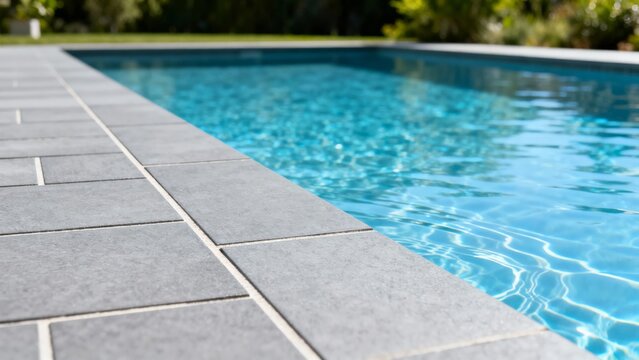
Pool coping — the material and design used to cap the edge of a pool, creating the transition between the pool shell and surrounding decking — plays a significant role in both a pool's overall aesthetic and its practical functionality, affecting everything from slip resistance to how comfortably swimmers can grip the edge while entering or exiting the water.
What Pool Coping Actually Does
Beyond its visual role finishing the pool's edge, coping serves several practical functions: protecting the pool shell's edge from damage, providing a slightly overhanging lip that helps direct water and debris away from sliding directly back into the pool, and creating a defined, typically slightly raised transition that helps swimmers identify the pool's edge, particularly important for safety around the water's boundary.
Natural Stone Coping
Aesthetic character: Natural stone options like travertine or flagstone provide a premium, organic appearance with natural color and texture variation between individual pieces, creating a distinctive, high-end look that manufactured alternatives don't fully replicate.
Practical performance: Many natural stone options, particularly travertine, offer good heat performance underfoot even in direct summer sun, along with generally good slip resistance given their typically textured natural surface, making them a popular practical choice alongside their aesthetic appeal.
Considerations: Natural stone typically represents a premium cost option compared to manufactured alternatives, and some natural stone types require periodic sealing to maintain their appearance and performance characteristics over time.
Precast Concrete Coping
Aesthetic character: Precast concrete coping offers a wide range of style, color, and texture options through manufacturing processes designed to replicate various natural stone appearances or provide distinct, uniform contemporary looks, at a generally more accessible cost point than genuine natural stone.
Practical performance: Quality precast concrete coping provides good durability and can be manufactured with appropriate texture for adequate slip resistance, though performance can vary based on the specific product and manufacturing quality.
Considerations: While generally more affordable than natural stone, precast concrete coping lacks the unique, natural variation that genuine stone provides, offering a more uniform appearance that some homeowners prefer for its consistency while others find less visually interesting than natural stone's inherent variation.
Brick Coping
Aesthetic character: Brick coping provides a traditional, classic appearance that pairs particularly well with homes featuring brick exteriors or traditional architectural styles common throughout many DFW neighborhoods.
Practical performance: Brick generally offers good slip resistance given its typically textured surface, though specific performance can vary based on the exact brick product and finish used.
Considerations: Brick coping's smaller individual unit size compared to larger stone or concrete pieces means more grout lines and seams, which require proper maintenance attention over time to prevent water intrusion issues at these numerous smaller joints.
Cantilevered Concrete Coping
Aesthetic character: Cantilevered coping extends the pool deck's concrete directly over the pool edge without a separate, distinct coping material, creating a clean, seamless, contemporary appearance that blends the deck and coping into a single continuous surface.
Practical performance: This approach can provide good slip resistance if properly textured, though the overhanging cantilever design requires proper structural engineering and installation to ensure long-term durability and prevent cracking at this vulnerable overhanging edge.
Considerations: This style generally suits more contemporary design aesthetics and works particularly well when paired with matching cantilevered concrete decking material for a unified, seamless overall appearance.
Considering Coping Color and Heat Performance
Regardless of specific coping material, color selection significantly affects heat performance underfoot, with lighter colors generally staying cooler in direct Texas sun compared to darker options, an important practical consideration given how frequently swimmers make direct barefoot contact with coping while entering and exiting the pool.
Balancing Coping Choice With Overall Pool and Deck Design
The most successful coping selections consider how the chosen material and style will look and function alongside the broader pool deck material and overall backyard design, rather than selecting coping in isolation without considering this important visual and functional relationship to the surrounding hardscape elements.
Making the Right Coping Choice for Your Pool
The right coping choice depends on balancing aesthetic preferences, budget considerations, heat and slip performance priorities, and how the chosen material complements the broader pool and backyard design. A pool professional can help evaluate these considerations against a specific project's goals and budget to identify the coping option that best serves both the pool's function and its overall appearance.

Planning your pool's coping and deck design? Book a consultation and let's find the right style for your backyard. Book a Free Inspection



Find Us On


