


Our Blog
Pool Fencing Requirements in DFW: What Homeowners Need to Know
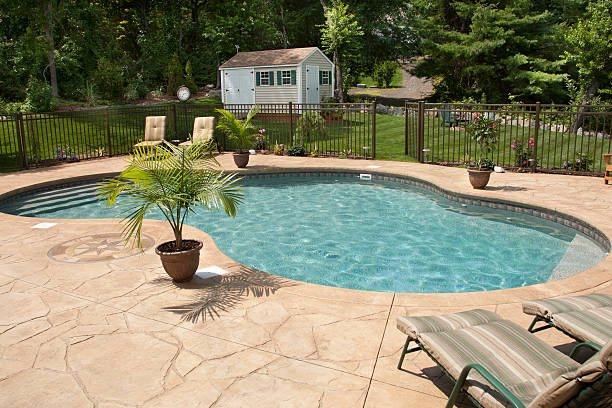
Pool fencing requirements represent an important but sometimes overlooked consideration during the pool planning process, since most DFW municipalities have specific code requirements around pool barriers designed to prevent unsupervised access and reduce drowning risk. Understanding these requirements before finalizing a pool design helps homeowners plan appropriately and avoid permitting delays or compliance issues once construction is underway.
Why Pool Fencing Requirements Exist
Pool fencing and barrier code requirements exist primarily to reduce the risk of unsupervised access to pools, particularly by young children, addressing a genuine and unfortunately common safety concern. These requirements reflect broader safety standards that most municipalities have adopted, though specific requirements can vary somewhat between individual DFW-area jurisdictions.
Common Pool Fencing Height Requirements
Most DFW municipalities require pool fencing to reach a minimum height, commonly around four feet, though specific requirements should always be confirmed with the relevant local jurisdiction rather than assumed based on general regional patterns, since exact requirements can vary between specific cities within the broader DFW area.
Gate and Access Point Requirements
Self-closing and self-latching gates are typically required for any access points to the pool area, ensuring gates automatically secure themselves even if someone forgets to manually close and lock them, addressing a common failure point in relying purely on manual gate closure compliance.
Latch height requirements typically specify that gate latches be positioned high enough to prevent young children from easily reaching and operating them, an important detail that affects gate hardware selection and installation.
Limitations on gate swing direction sometimes apply, typically requiring gates to swing away from the pool area rather than toward it, reducing the risk of a gate being pushed open toward the pool by a child leaning against it.
Barrier Requirements Beyond Traditional Fencing
House walls as part of the pool barrier system are sometimes permitted under specific conditions, where a portion of a home's exterior wall serves as part of the overall pool barrier, though this typically comes with additional requirements around door alarms or self-closing mechanisms for any doors providing direct pool access from the home.
Alarm requirements for doors providing direct access to the pool area from the home are sometimes required in addition to, or as an alternative component of, physical fencing requirements, providing an additional layer of protection against unsupervised access through the home itself.
Requirements Around Fence Construction and Design
Restrictions on climbable features typically prohibit fence designs that provide easy foot or hand holds that could allow a child to climb over the barrier, affecting decisions around fence style and construction details.
Gap size limitations typically specify a maximum gap size between fence pickets or slats, and beneath the fence at ground level, preventing small children from squeezing through gaps in an otherwise code-compliant fence height.
Confirming Requirements for Your Specific Property
Given that specific pool fencing requirements can vary between individual DFW-area municipalities, confirming exact requirements with the relevant local building department before finalizing pool and fencing design plans ensures the project meets applicable code requirements from the outset, rather than discovering compliance issues during the permitting or final inspection process.
Incorporating Fencing Requirements Into Overall Pool Design
Rather than treating fencing as a separate, later consideration, incorporating fencing and barrier requirements into the initial pool design process allows for a more cohesive overall backyard design, ensuring the required safety barrier integrates thoughtfully with the broader pool area and backyard living space rather than feeling like an obvious, disconnected addition.
Considering Additional Safety Measures Beyond Minimum Code Requirements
While meeting minimum code requirements is essential, some homeowners choose to exceed these minimums — additional pool alarms, more robust gate mechanisms, or automatic pool covers — providing additional safety layers beyond what code strictly requires, particularly relevant for households with very young children or other specific safety priorities.
Working With a Pool Builder Familiar With Local Requirements
A pool builder experienced with the specific DFW-area municipality where a project is located brings valuable familiarity with local fencing and barrier requirements, helping ensure the overall project design accounts for these requirements from the earliest planning stages rather than encountering compliance surprises during the permitting process.

Planning a new pool and want to make sure fencing requirements are handled correctly from the start? Book a consultation to get started. Book a Free Inspection



Find Us On


