


Our Blog
Pool Maintenance Tips to Survive a Hot DFW Summer
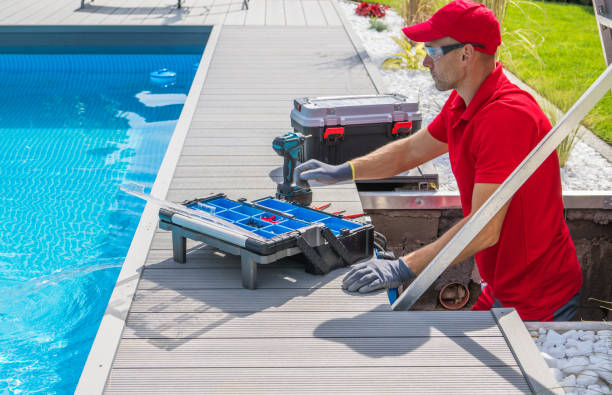
A DFW summer puts real strain on a pool. Extended heat accelerates chemical breakdown, heavy pool usage adds wear on equipment, and sudden summer storms introduce debris and runoff that can throw water chemistry out of balance quickly. For pool owners, staying ahead of maintenance during the hottest months makes the difference between a clean, swimmable pool all summer and a constant cycle of algae, cloudy water, and equipment issues.
Why Texas Heat Is Hard on Pools
High temperatures accelerate chlorine breakdown, meaning pools lose sanitizer faster during peak summer heat than during cooler months. Combined with heavier bather load from more frequent summer swimming, this creates conditions where algae and bacteria can take hold quickly if chemical levels aren't monitored closely.
Water Chemistry Basics for Summer
Test water more frequently. During peak summer months, testing water two to three times per week rather than once a week helps catch chemistry imbalances before they turn into visible problems like cloudy water or algae growth.
Monitor chlorine levels closely. Because chlorine burns off faster in high heat and strong UV exposure, maintaining consistent levels often requires more frequent additions during summer than other seasons. A stabilizer (cyanuric acid) helps chlorine last longer under intense sun exposure.
Watch pH levels. High bather load and heavy rain from summer storms can both shift pH levels. Keeping pH in the proper range isn't just about water clarity — it also protects pool equipment and surfaces from corrosion or scaling.
Shock the pool after heavy use or storms. After a pool party, extended heavy use, or a rainstorm that introduces runoff, shocking the pool helps quickly restore proper sanitizer levels and prevent algae from establishing.
Equipment Maintenance During Peak Season
Clean skimmer and pump baskets regularly. Summer means more leaves, insects, and debris blowing into the pool, especially after storms. Regularly clearing skimmer and pump baskets keeps water circulating properly and reduces strain on the pump motor.
Check filter pressure. A rising pressure gauge reading typically means the filter needs cleaning or backwashing. Running a dirty filter reduces circulation efficiency and can strain the pump over time.
Inspect for leaks during heavy use. Extended run times during summer can reveal small leaks in plumbing or equipment that weren't as noticeable during lighter off-season use. Catching these early prevents more costly repairs later.
Monitor water level. Higher evaporation rates during Texas summer heat can drop water levels quickly, especially in windy conditions. Maintaining the proper level protects the pump from running dry, which can cause serious equipment damage.
Storm Preparation and Recovery
Sudden summer storms are common across DFW, and preparing for them protects both pool equipment and water chemistry. Securing loose furniture and covers before a storm prevents debris from entering the pool, while checking water chemistry and clearing debris promptly afterward helps prevent algae blooms triggered by runoff and diluted chemical levels.
Signs Your Pool Needs Professional Attention
While routine maintenance handles most day-to-day upkeep, certain signs indicate it's time for professional service: persistent cloudy water despite proper chemical balance, visible cracks or structural concerns, equipment that isn't cycling water properly despite clean filters, or recurring algae growth that basic shock treatment isn't resolving.
Keeping Your Pool Summer-Ready
Staying consistent with testing, cleaning, and equipment checks throughout the hottest months prevents the kind of small issues that compound into bigger, more expensive problems by the time cooler weather arrives. A little routine attention goes a long way toward a pool that stays swimmable and low-hassle all season long.

Dealing with pool issues you can't quite figure out? Book a consultation and let's get your pool running right for the rest of the summer. Book a Free Inspection



Find Us On


