


Our Blog
Pool Resurfacing: When and Why DFW Pool Owners Need It
A pool's interior surface takes on continuous wear from water exposure, chemical treatment, and general use over years of service, eventually reaching a point where resurfacing becomes necessary to restore both appearance and proper function. Understanding when resurfacing is genuinely needed, and what the process actually involves, helps DFW pool owners plan for this eventual but predictable maintenance need.
Why Pool Surfaces Eventually Need Resurfacing
Pool interior finishes — whether plaster, pebble, or quartz aggregate — gradually wear from continuous water exposure, chemical treatment, and the physical wear of regular swimming use. Over time, this wear manifests as roughness, staining, or discoloration that both affects appearance and can eventually create a less comfortable swimming surface.
Signs Your Pool Needs Resurfacing
Visible roughness or rough patches on the pool's interior surface, noticeable underfoot or to the touch, indicate the surface finish has begun deteriorating beyond simple cosmetic wear, potentially creating an uncomfortable or even mildly abrasive swimming surface.
Persistent staining that doesn't respond to normal cleaning suggests the surface itself has become porous or damaged enough that staining has penetrated beyond what surface cleaning can address, a sign the finish has reached the end of its practical service life.
Visible cracking in the surface finish, even hairline cracks, indicate the finish material has begun failing structurally, which can eventually allow water to seep behind the finish and potentially cause more significant issues if not addressed through proper resurfacing.
Discoloration or fading that gives the pool an aged, dingy appearance despite regular cleaning and chemical maintenance often indicates the surface material itself has degraded to a point where its original color and finish quality can't be restored through routine maintenance.
Increased chemical usage needed to maintain water clarity, sometimes indicates a porous, degraded surface finish is affecting water chemistry stability, requiring resurfacing to restore both surface condition and easier long-term water chemistry management.
Typical Resurfacing Timeline
Pool surfaces generally require resurfacing somewhere between 10 and 20 years after original installation or previous resurfacing, though this range varies considerably based on the specific finish material originally used, water chemistry management consistency over the years, and overall usage intensity.
The Pool Resurfacing Process
Draining the pool represents the first step, allowing full access to the interior surface for the resurfacing work ahead.
Removing or preparing the existing surface involves either fully removing the old finish or properly preparing it as a base for new material application, depending on the specific resurfacing approach and existing surface condition.
Repairing any underlying structural issues discovered once the old surface is addressed, such as any cracks in the underlying pool shell itself, needs to happen before new surface material is applied.
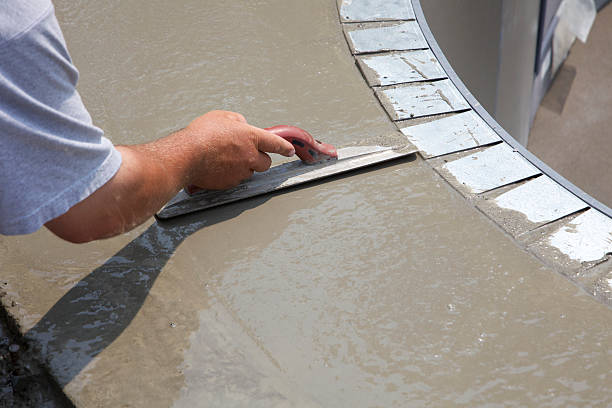
Applying the new surface finish, whether plaster, pebble, or quartz aggregate, following proper application techniques and curing time requirements specific to the chosen material.
Refilling and balancing water chemistry completes the process, though new pool surfaces typically require some specific initial water chemistry management during the curing period to protect the fresh finish.
Choosing a Resurfacing Material
Homeowners resurfacing a pool have an opportunity to choose a different finish material than what was originally installed — for example, upgrading from basic plaster to a more durable and visually appealing pebble or quartz aggregate finish — making resurfacing a natural opportunity to both address surface wear and potentially upgrade the pool's overall appearance and durability characteristics.
Combining Resurfacing With Other Pool Updates
Since resurfacing already requires draining the pool and significant access to the pool area, many homeowners choose to combine this project with other planned updates — new waterline tile, updated lighting, or other features — taking advantage of the pool already being drained and accessible to accomplish multiple improvements within a single overall project timeline.
Cost Considerations for Pool Resurfacing
Resurfacing costs vary based on pool size, the specific finish material chosen, and whether any underlying structural repairs are needed alongside the surface work itself, making an in-person assessment the most reliable way to obtain accurate project cost expectations for a specific pool's situation.
Planning for Your Pool's Eventual Resurfacing Need
Understanding the signs that indicate resurfacing is needed, and the general timeline expectations for this maintenance milestone, helps pool owners plan proactively for this eventual, predictable investment rather than being caught by surprise when their pool's surface finally shows clear signs of needing attention.

Noticing signs your pool surface needs attention? Book a consultation and let's assess whether resurfacing is right for your pool. Book a Free Inspection



Find Us On


