


Our Blog
Remodeling Your DFW Home: Where to Start and What to Prioritize
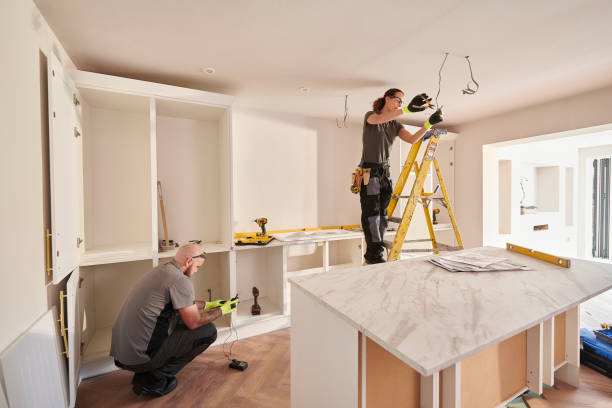
Deciding to remodel a home is often the easy part — figuring out where to actually start, and how to prioritize competing needs and wants within a realistic budget, is where many homeowners find themselves stuck. Having a clear framework for approaching these early decisions makes the entire remodeling process significantly more manageable.
Step 1: Identify the Core Problem You're Solving
Before considering specific rooms or features, clarifying the fundamental issue driving the remodel — outdated finishes, a dysfunctional layout, insufficient space, or aging systems — helps ensure the remodel actually addresses the family's real priorities rather than getting distracted by appealing but less essential updates.
Step 2: Assess Your Home's Current Condition Honestly
A thorough assessment of the home's current structural, systems, and cosmetic condition provides the foundation for realistic planning. This includes understanding the age and condition of major systems (roofing, HVAC, electrical, plumbing) alongside the more visible cosmetic elements homeowners often focus on first.
Step 3: Prioritize Based on Both Necessity and Value
Address urgent structural or systems issues first. Any significant structural concerns, water damage, or failing major systems should generally take priority over purely cosmetic updates, since these issues tend to worsen over time and can complicate or increase the cost of subsequent renovation work if left unaddressed.
Prioritize high-impact rooms. Kitchens and bathrooms typically deliver the strongest combination of daily enjoyment and resale value, making them a common starting priority for homeowners working with a limited initial budget.
Consider curb appeal alongside interior priorities. Exterior updates — painting, roofing condition, landscaping — create the crucial first impression and shouldn't be entirely deprioritized in favor of interior-focused spending.
Step 4: Set a Realistic Budget With Contingency
Setting a budget that includes a genuine contingency reserve, typically 10 to 20% of the total project cost, protects against the common surprises that surface once renovation work begins, particularly in older homes where hidden issues are more likely to emerge.
Step 5: Decide Between a Whole-Home Approach and a Phased Approach
Depending on budget, urgency, and tolerance for disruption, homeowners can choose to address multiple areas simultaneously in a comprehensive remodel, or take a phased, room-by-room approach that spreads cost and disruption over a longer period.
Step 6: Choose the Right Contractor for Your Specific Project
Selecting a general contractor with relevant experience for the specific scope planned, and who communicates clearly and provides detailed, itemized pricing, sets the foundation for a remodel that stays on track and delivers the intended result.
Common Mistakes to Avoid When Starting a Remodel
Starting with design inspiration before assessing the home's actual condition. This often leads to plans that don't account for underlying structural or systems issues that need to be addressed first.
Underestimating the true cost and timeline. Overly optimistic assumptions about cost and timeline, without accounting for realistic contingencies, set up frustration and financial strain once the actual project gets underway.
Trying to address everything at once without clear priorities. Without a clear prioritization framework, homeowners can end up spreading budget too thin across too many areas, diluting the overall impact rather than delivering meaningful improvement where it matters most.
Moving Forward With Confidence
Starting a remodel with a clear understanding of the core problem being solved, an honest assessment of the home's condition, and a realistic, prioritized budget sets the foundation for a project that delivers genuine value rather than one that runs over budget or fails to address the family's actual needs.

Ready to start planning your home remodel? Book a consultation and let's assess your home and set realistic priorities together. Book a Free Inspection



Find Us On


