


Our Blog
Residential Roofing Services in DFW: What Every Homeowner Should Know
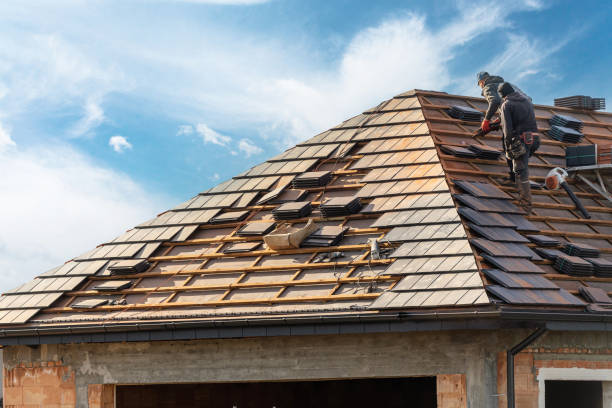
Residential roofing is one of the most important investments a homeowner makes in protecting their property, yet many homeowners only think about roofing services when there's already a problem. Understanding what quality residential roofing services actually involve — from initial inspection through final installation — helps homeowners make informed decisions whether they're dealing with storm damage, planning ahead for an aging roof, or simply want to understand their roof's current condition.
What Residential Roofing Services Typically Include
Inspections. A thorough roof inspection evaluates the current condition of shingles, flashing, ventilation, and the overall structure, identifying any existing damage, wear, or areas of concern before they develop into more significant issues.
Repairs. Targeted repairs address specific damaged areas — storm-related damage, isolated leaks, or worn flashing — without requiring a full roof replacement when the surrounding roofing material remains in good condition.
Full replacements. When a roof has reached the end of its useful life or sustained damage too extensive for repair, a full replacement involves complete tear-off of existing materials followed by installation of new roofing components.
Why Regular Roofing Inspections Matter
Many roofing issues develop gradually and aren't visible from ground level, making periodic professional inspections valuable even without an obvious sign of damage. Regular inspections, particularly after significant storm events common throughout North Texas, help catch developing issues while they're still a manageable repair rather than an emergency situation.
The Residential Roofing Process From Start to Finish
A quality roofing service experience typically begins with a thorough inspection and honest assessment of whether repair or replacement makes sense for the specific situation. This is followed by clear communication about scope, materials, and cost before any work begins. For replacement projects, the process includes tear-off, deck inspection and repair if needed, underlayment and flashing installation, and finally the roofing material itself, followed by cleanup and a final walkthrough.
Choosing the Right Roofing Material for Your Home
Residential roofing services should include guidance on material selection appropriate for a home's specific needs — standard asphalt shingles for budget-conscious homeowners, impact-resistant Class 4 shingles for those prioritizing hail resistance, or premium long-life systems for homeowners planning to stay long-term and wanting to minimize future roofing needs.
What Sets Quality Residential Roofing Services Apart
Clear, honest communication throughout the process, proper licensing and insurance, transparent and itemized pricing, and a workmanship warranty that reflects genuine confidence in installation quality all distinguish reliable residential roofing services from lower-quality options that may cut corners on materials or installation practices.
Working With Insurance for Storm-Related Roofing Needs
For roofing needs stemming from storm damage, quality residential roofing services should include experience navigating the insurance claims process — helping homeowners document damage properly, working with adjusters, and ensuring the settlement accurately reflects the actual scope of necessary repairs.
Getting Started With Residential Roofing Services
Whether addressing an immediate concern or simply wanting a professional assessment of a roof's current condition, the starting point for any residential roofing need is a thorough, honest inspection that provides homeowners with a clear picture of their roof's condition and any recommended next steps.

Ready for a professional residential roofing inspection? Book a free inspection and get an honest assessment of your roof's condition. Book a Free Inspection



Find Us On


