


Our Blog
Roof Decking: Why the Layer Beneath Your Shingles Matters
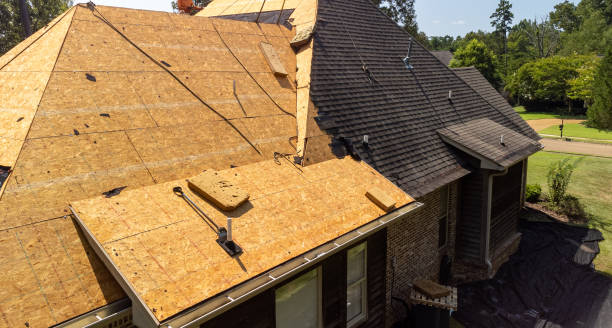
Homeowners naturally focus their attention on the visible shingles when thinking about roof condition, but the roof decking underneath — the structural layer that shingles, underlayment, and flashing all attach to — plays an equally critical role in a roof's overall performance and longevity. Understanding what roof decking is and why its condition matters helps homeowners appreciate a component that only becomes visible, and its importance obvious, once it's already compromised.
What Roof Decking Actually Is
Roof decking, sometimes called sheathing, refers to the structural boards or panels — typically plywood or oriented strand board (OSB) — that span across roof rafters or trusses, creating the solid surface that underlayment, flashing, and shingles are all installed on top of. This decking essentially forms the structural foundation the entire visible roofing system depends on.
Why Decking Condition Directly Affects Roofing Performance
Even the highest-quality shingles and underlayment can't perform properly if installed over compromised, water-damaged, or structurally weakened decking. Soft or rotted decking can't properly hold fasteners, potentially allowing shingles to loosen or blow off during high wind events. Decking damage can also create uneven surfaces that affect how properly shingles lay and seal against each other.
Common Causes of Roof Decking Damage
Long-term, undetected roof leaks. Water intrusion that goes undetected for an extended period, whether from a failed flashing point or aging, compromised shingles, can gradually saturate and damage the decking underneath, particularly in areas where water tends to pool or where a leak has been slowly dripping onto the same spot repeatedly.
Inadequate ventilation. Poor attic ventilation allows heat and moisture to build up against the underside of the decking, potentially contributing to wood rot or other moisture-related deterioration over time, even without an active leak being present.
Age and general wear. Like any building material, roof decking has a natural lifespan, and very old roofing systems may show decking deterioration simply from age-related material breakdown, even without a specific leak or ventilation issue driving the damage.
Pest damage. Wood-boring insects or other pest activity can compromise decking integrity in ways that aren't visible from either the exterior roofing surface or a casual attic inspection, sometimes only discovered once decking is exposed during a roof replacement project.
Why Decking Damage Often Goes Undetected Until Replacement
Because decking sits beneath the visible roofing material, damage frequently isn't discovered until a roof replacement project is underway and old shingles and underlayment are removed, finally exposing the decking's actual condition. This is one reason why roof replacement quotes sometimes need to be adjusted once work begins — decking damage discovered at that point wasn't visible or predictable during the initial estimate.
Signs That Might Indicate Decking Issues
Visible sagging on the roof's surface, even subtle dipping between rafters, can indicate underlying decking deterioration significant enough to affect the roof's structural evenness. Interior signs of long-term water damage, like persistent ceiling stains that don't correspond to a recently identified leak, can suggest decking damage has developed from an extended period of undetected moisture exposure. Soft spots noticeable when walking on the roof (a task best left to professionals rather than homeowners themselves) can indicate compromised decking beneath the surface shingles.
Addressing Decking Damage During Roof Replacement
When decking damage is discovered during a roof replacement project, addressing it properly — replacing compromised sections with new decking material — before installing new underlayment and shingles is essential, since installing new roofing materials over damaged decking simply sets up the new roof to develop problems prematurely, undermining the value of the broader replacement investment.
Why Reputable Contractors Budget for Potential Decking Repair
Experienced roofing contractors typically build the possibility of some decking repair into their project estimates, either through a contingency allowance or clear communication that decking condition won't be fully known until old roofing material is removed. Contractors who don't address this possibility upfront may either be inexperienced or may be setting homeowners up for an unexpected cost surprise mid-project.
Preventing Decking Damage Through Proactive Roof Maintenance
Addressing roof leaks promptly, ensuring proper attic ventilation, and conducting regular roof inspections all help prevent the kind of prolonged moisture exposure that leads to decking damage, protecting this critical structural layer from the gradual deterioration that often goes unnoticed until it's already caused significant damage.
Understanding This Often-Invisible Component
While roof decking remains invisible during normal roof inspection and use, its condition fundamentally affects how well the visible roofing system above it can actually perform. Understanding this component's importance helps homeowners appreciate why thorough roof inspections and prompt attention to potential leaks protect more than just the visible shingle surface.

Concerned about what condition your roof decking might be in? Book a free inspection and let's take a thorough look. Book a Free Inspection



Find Us On


