


Our Blog
Roof Flashing: The Small Detail That Prevents Big Leaks
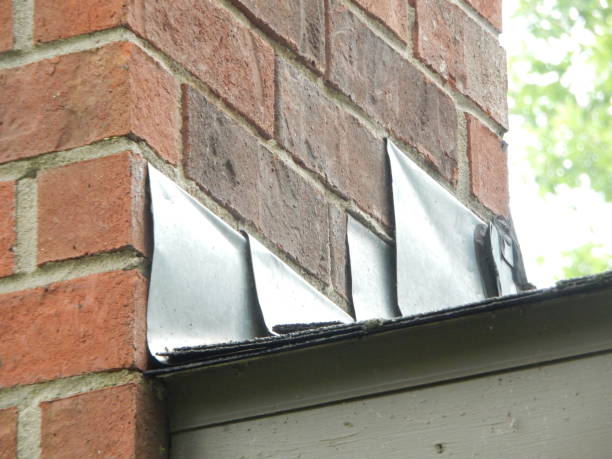
When homeowners think about what protects a roof from leaking, shingles usually come to mind first. But in practice, a significant portion of roof leaks don't originate from the main shingle surface at all — they start at flashing points, the metal components installed around roof penetrations and transitions that are far more vulnerable to failure than the surrounding shingle field. Understanding what flashing does and why it matters helps homeowners appreciate a detail that's easy to overlook but critical to a roof's overall watertight performance.
What Roof Flashing Actually Is
Flashing refers to thin pieces of metal, typically aluminum or galvanized steel, installed at any point on a roof where the continuous shingle surface is interrupted — around chimneys, vent pipes, skylights, roof valleys, and where a roof meets a wall. These transition points create natural vulnerabilities where water could otherwise find a path underneath roofing material, and properly installed flashing directs water safely over these gaps rather than allowing it to penetrate.
Why Flashing Points Are More Vulnerable Than the Main Roof Surface
The main field of a roof, covered in continuous, overlapping shingles, is specifically designed to shed water effectively across its surface. Flashing points, by contrast, involve transitions and penetrations that interrupt this continuous surface, creating more complex geometry where water can find alternate paths if flashing isn't properly installed or maintained. This is why experienced roofers pay particular attention to flashing quality, recognizing that these details often determine whether a roof genuinely stays watertight over its lifespan.
Common Types of Roof Flashing
Chimney flashing wraps around the base of a chimney, directing water away from this significant roof penetration and requiring particularly careful installation given the size and complexity of chimney structures compared to smaller penetrations.
Valley flashing is installed where two roof slopes meet, creating a channel that directs the concentrated water flow these valleys naturally experience safely down the roof rather than allowing it to seep beneath adjacent shingles.
Vent pipe flashing (often called a boot) seals around the smaller pipes that penetrate a roof for plumbing or HVAC ventilation, using a flexible collar that seals tightly around the pipe while integrating with surrounding shingles.
Step flashing is used where a roof meets a vertical wall, with individual pieces of flashing woven between shingle courses to create a layered, watertight transition along this vulnerable intersection.
Drip edge flashing runs along the roof's edges, directing water away from the fascia and into the gutter system rather than allowing it to wick back under the roofing material at these edge points.
Signs of Failing Flashing
Visible rust or corrosion on flashing components indicates material degradation that can eventually lead to water penetration if not addressed. Cracked or deteriorating sealant around flashing edges, particularly at vent pipe boots, is a common failure point since these flexible seals degrade faster than the metal flashing itself. Visible gaps or separation between flashing and the surrounding roofing material create obvious pathways for water intrusion. Water stains on ceilings near chimneys, vents, or roof-wall intersections often indicate flashing failure rather than an issue with the main shingle surface.
Why Flashing Deserves Attention During Roof Inspections
A thorough roof inspection should specifically evaluate flashing condition at every penetration and transition point, not just the general condition of the shingle field. Given how frequently leaks originate at these points rather than across open shingle areas, an inspection that overlooks flashing condition provides an incomplete picture of a roof's actual watertight integrity.
Flashing Considerations During Roof Replacement
A full roof replacement provides an opportunity to install entirely new flashing throughout, rather than reusing older flashing components that may already show signs of wear. Reusing old flashing to save cost during a roof replacement is a common corner-cutting practice among lower-quality contractors, and homeowners should specifically confirm that new flashing is included as part of any replacement project rather than assuming this detail is automatically addressed.
Vent Pipe Boots: A Particularly Common Failure Point
The rubber or plastic collar component of vent pipe flashing (the "boot") tends to degrade faster than the metal flashing base it's attached to, particularly given consistent UV exposure throughout North Texas's intense sun. This component often needs replacement well before a full roof replacement is otherwise due, making it a specific item worth checking during routine roof maintenance rather than assuming flashing issues only arise during a full roof's end-of-life period.
The Cost of Flashing Failure vs. Proper Maintenance
Addressing flashing issues promptly, whether during routine maintenance or as part of a full roof replacement, represents a relatively modest cost compared to the water damage, mold remediation, and interior repair costs that can result when flashing failure goes unaddressed long enough to allow significant water intrusion into a home's structure.
Ensuring Quality Flashing Installation
Given how much flashing quality affects a roof's actual watertight performance, homeowners should specifically ask roofing contractors about their flashing installation practices and materials, rather than assuming this detail is handled consistently well across every contractor, since flashing quality is one of the areas where installation skill and attention to detail make a genuine, measurable difference in long-term roof performance.

Want to make sure your roof's flashing is properly protecting your home? Book a free inspection and let's take a close look. Book a Free Inspection



Find Us On


