


Our Blog
Roof Replacement Cost Guide for DFW Homeowners
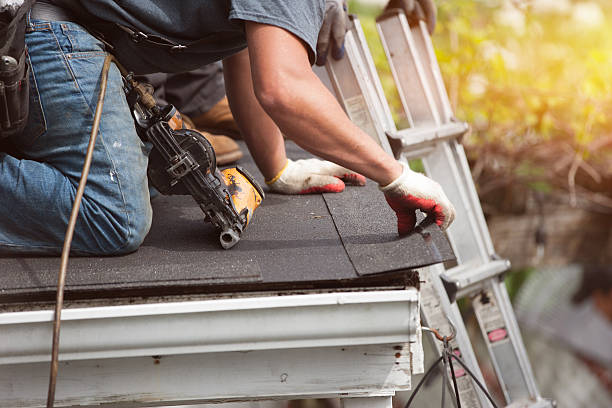
A roof replacement is one of the more significant home investments most homeowners will face, and pricing can vary widely based on a number of factors specific to each home. Understanding what actually drives roof replacement costs in the DFW area — and how insurance can factor into the equation after storm damage — helps homeowners budget realistically and evaluate quotes with confidence.
What Determines Roof Replacement Cost
Roof size and complexity. Larger roofs naturally cost more due to material and labor requirements, but roof complexity matters just as much. A simple gable roof costs less to replace than one with multiple angles, dormers, valleys, or steep pitches that require additional labor and safety precautions.
Material choice. Standard asphalt shingles remain the most budget-friendly option for most DFW homes. Impact-resistant Class 4 shingles cost more upfront but may qualify for insurance discounts and offer better hail performance. Metal roofing and premium long-life systems sit at higher price points but offer extended lifespans and reduced long-term maintenance.
Underlayment and decking condition. If the roof deck underneath the shingles has sustained water damage or rot, replacement or repair of the decking itself adds to the overall project cost — something that's often not visible until the old roofing material is removed.
Ventilation and flashing work. Upgrading or repairing ventilation components and flashing around chimneys, vents, and valleys adds to the scope and cost of a full replacement, particularly on older homes where these components may not meet current best practices.
Tear-off and disposal. Removing old roofing material and properly disposing of it is a standard part of most replacement projects and factors into overall labor cost, particularly if multiple layers of old roofing need to be removed.
How Insurance Affects Roof Replacement Costs
For homeowners replacing a roof due to storm damage, insurance can cover some or all of the replacement cost, depending on the policy and the adjuster's assessment of the damage. This makes working with a contractor experienced in the insurance claims process particularly valuable, since accurate damage documentation directly affects how much of the replacement cost insurance ultimately covers.
Homeowners replacing a roof simply due to age, rather than storm damage, typically won't have insurance coverage for the replacement, since standard homeowners insurance covers sudden, covered events rather than gradual wear from aging materials.
Getting an Accurate Quote
Because so many variables affect roof replacement cost, the only reliable way to get an accurate number for a specific home is an in-person inspection and quote. This allows a contractor to properly assess roof size, complexity, current condition, and any underlying issues before providing a detailed, itemized estimate rather than a rough ballpark figure.
Red Flags When Comparing Roofing Quotes
A quote significantly lower than others received is worth scrutinizing carefully, since it may reflect lower-quality materials, corners being cut on proper installation practices, or an intentionally low bid designed to be adjusted upward once work begins. Reputable contractors should be able to clearly explain what's included in their quote and why their pricing reflects the specific scope of work for a given home.
Planning for a Roof Replacement
Whether prompted by storm damage or simply the natural end of a roof's lifespan, planning ahead — understanding realistic cost ranges, getting a proper inspection, and working with a contractor experienced in both installation quality and, if applicable, the insurance claims process — helps homeowners navigate a roof replacement with confidence rather than uncertainty.

Ready to get an accurate quote for your roof replacement? Book a free inspection and get clear, honest pricing. Book a Free Inspection



Find Us On


