


Our Blog
Signs You Need New Gutters: A DFW Homeowner's Guide
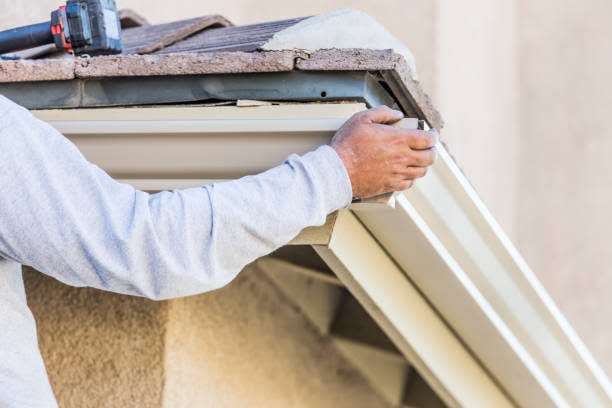
Gutters are one of those home features nobody thinks about until something goes wrong — and by the time something goes wrong, water damage has usually already started. In a region like DFW, where heavy spring storms and sudden downpours are part of the yearly pattern, a functioning gutter system isn't a nice-to-have. It's one of the most important lines of defense your home has against foundation issues, siding rot, and basement or crawl space water intrusion.
Here's how to tell if your gutters are still doing their job, or if it's time to consider a replacement.
Why Gutters Matter More Than Most Homeowners Realize
A home's gutter system is designed to do one job: move water away from the roof, siding, and foundation as efficiently as possible. When gutters work correctly, rainwater is channeled through the gutter, down the downspout, and away from the home's foundation. When they don't, water pools where it shouldn't — along the roofline, behind fascia boards, or right next to the foundation where it can cause cracking, shifting, and long-term structural issues.
In North Texas, where clay-heavy soil expands and contracts significantly with moisture changes, foundation problems caused by poor drainage are a real and expensive concern. Gutters are a small, often overlooked piece of a much bigger picture.
Signs Your Gutters Need to Be Replaced
Visible sagging or pulling away from the roofline. If your gutters are drooping in certain sections or visibly separating from the fascia board, it usually means the fasteners have failed, the gutter material has warped, or water weight has become too much for the system to hold. Sagging gutters don't drain properly, which defeats their entire purpose.
Cracks, splits, or rust spots. Older metal gutters are prone to rust, especially in areas where paint or coating has worn away. Cracks and splits, even small ones, allow water to leak out along the length of the gutter instead of channeling it to the downspout.
Water marks or stains on the fascia and siding. If you notice discoloration, streaking, or peeling paint just below your gutter line, water is escaping somewhere it shouldn't be. This is one of the clearest visual signs of a gutter that isn't functioning correctly.
Basement or crawl space moisture. If water intrusion issues in lower levels of your home seem to line up with heavy rain, faulty gutters are often part of the problem — especially if downspouts aren't directing water far enough away from the foundation.
Peeling paint, mildew, or mold near the roofline. Constant overflow or leaking creates a moisture-rich environment that mold and mildew love. If you're seeing this pattern repeat near your gutter system, it's a sign water isn't being managed properly.
Gutters that overflow during moderate rain. If water is spilling over the sides of your gutters even during a normal rainstorm — not just a major downpour — your gutters may be clogged, undersized for your roof, or pitched incorrectly.
Repair or Full Replacement?
Not every gutter issue requires a full replacement. Sometimes a section has come loose and just needs to be resecured, or a downspout is clogged and needs to be cleared. But when damage is widespread — multiple sections sagging, rust throughout, consistent overflow across the whole system — patch repairs tend to be a short-term fix for a long-term problem.
Seamless gutters, custom-fitted to your home's specific roofline, tend to hold up far better over time than sectional gutters, since there are fewer seams for water to escape through and fewer joints that can fail. For homeowners dealing with recurring gutter issues, a full seamless gutter installation is often the more cost-effective choice in the long run.
What a Proper Gutter Installation Looks Like
Correct gutter installation isn't just about attaching a trough to the roofline. Pitch matters — gutters need a slight slope toward the downspouts so water actually flows instead of sitting stagnant. Downspout placement matters too, since water needs to be directed at least several feet away from the foundation, not just dropped at the base of the house.
Material choice also plays a role. Aluminum is a common, durable, low-maintenance option for most DFW homes, while copper offers a longer lifespan (and a distinct look) at a higher price point. A good contractor should walk homeowners through these options based on their home's specific needs, budget, and roofline — not just install whatever's cheapest or fastest.
Protecting Your Investment Long-Term
Gutters are a relatively small investment compared to the potential cost of foundation repair, siding replacement, or water damage remediation. Regular maintenance — clearing debris a couple of times a year, checking for sagging after major storms, and addressing small issues before they become big ones — goes a long way toward extending the life of any gutter system.
But when a system has already failed, patch repairs only delay the inevitable. A full inspection can determine whether your current gutters are salvageable or whether it's time for a proper, seamless replacement built to handle DFW's weather patterns.

Seeing signs your gutters aren't keeping up? Get a straightforward assessment and find out what it'll take to protect your home. Book a Free Inspection



Find Us On


