


Our Blog
Sunroom Additions: Bridging Indoor and Outdoor Living
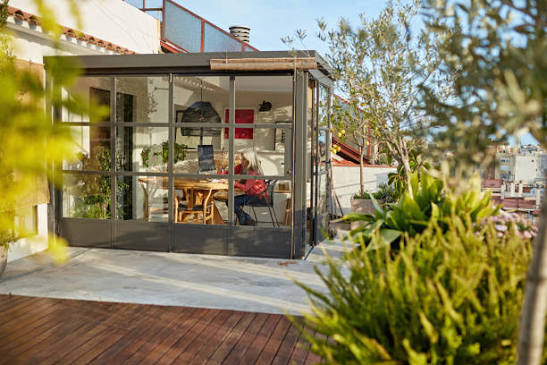
For homeowners wanting to enjoy natural light and a connection to their outdoor space without the full weather exposure of an open patio, sunroom additions offer a genuinely useful middle ground — providing a comfortable, enclosed space that still feels connected to the outdoors, extending a home's usable living area in a way that works across a much wider range of weather conditions than a purely open outdoor space.
What Makes a Sunroom Different From Other Additions
Unlike a standard home addition using traditional wall construction with limited window area, sunrooms are specifically designed around extensive glazing — large windows or full glass walls — that maximize natural light and outdoor visual connection while still providing the enclosure and weather protection a traditional addition offers.
Types of Sunroom Additions
Three-season sunrooms provide substantial window area and weather protection from rain and wind, but typically lack full climate control, making them comfortable across a wide range of conditions but less suited to extreme summer heat or any occasional winter cold snaps without supplemental heating or cooling.
Four-season sunrooms incorporate full HVAC integration, effectively functioning as genuine year-round living space with the same climate control as the rest of the home, while still offering the extensive natural light and outdoor connection that defines the sunroom concept.
Conservatory-style additions, often featuring more elaborate glass roof structures in addition to glass walls, provide maximum natural light and a particularly dramatic connection to the outdoors, typically representing a more substantial and premium addition category compared to standard sunroom designs.
Key Design Considerations for DFW's Climate
Solar heat gain management deserves particular attention given North Texas's intense summer sun, with appropriate glazing selection (low-E coatings, strategic orientation, or shading elements) helping manage heat gain that could otherwise make a sunroom uncomfortably hot during peak summer months without adequate consideration during design.
Proper insulation for four-season use, including insulated glazing and appropriate wall and roof insulation where applicable, ensures a four-season sunroom can maintain comfortable temperatures efficiently rather than placing excessive strain on HVAC systems trying to condition a space with inadequate insulation for genuine year-round use.
Orientation considerations relative to the sun's path throughout the day and year affect both natural light quality and heat gain management, making sunroom placement and orientation an important design consideration rather than simply attaching the addition wherever happens to be most structurally convenient.
Foundation and Structural Considerations
Sunroom additions require appropriate foundation work matching the specific addition type and regional soil conditions, with North Texas's clay-heavy soil requiring particular attention to foundation design that accounts for this soil's tendency to expand and contract with moisture changes, potentially affecting a lighter-weight addition differently than it would a home's original, typically more substantial foundation.
Integrating a Sunroom With Existing Home Architecture
Successful sunroom additions integrate thoughtfully with a home's existing architectural style, whether through matching exterior materials and rooflines where visible, or through a more deliberate contrast that still reads as an intentional design choice rather than a disconnected addition that doesn't relate well to the home's original architecture.
Popular Sunroom Uses
Additional living or family room space provides expanded gathering area with abundant natural light, often becoming a favorite room precisely because of this enhanced connection to the outdoors compared to more traditional, less naturally lit living spaces.
Home office space benefits from a sunroom's natural light quality, particularly appealing for homeowners wanting a bright, pleasant workspace with visual connection to their outdoor surroundings.
Dining or breakfast room space takes advantage of natural light for daily meals, creating a pleasant, bright setting that differs meaningfully from a more enclosed, traditionally lit dining space.
Plant or garden rooms, taking advantage of abundant natural light to support indoor gardening or simply create a lush, plant-filled space that bridges indoor comfort with an outdoor garden aesthetic.
Cost Considerations for Sunroom Additions
Sunroom addition costs vary considerably based on size, glazing quality, whether full four-season climate control is included, and foundation requirements, generally falling somewhere between a standard home addition (given the specialized glazing involved) and potentially less than an equivalent traditional addition, depending on the specific sunroom category and finish level chosen.
Planning Your Sunroom Addition
The most successful sunroom additions start with clear consideration of intended use, desired climate control level (three-season versus four-season), and how the addition will integrate with the home's existing architecture and orientation relative to the sun, ensuring the resulting space genuinely delivers the natural light and outdoor connection that makes sunrooms such an appealing addition category.

Ready to explore a sunroom addition for your home? Book a consultation and let's design a space that bridges your indoor and outdoor living. Book a Free Inspection



Find Us On


