


Our Blog
Tenant Damage vs. Normal Wear and Tear: A Property Manager's Guide
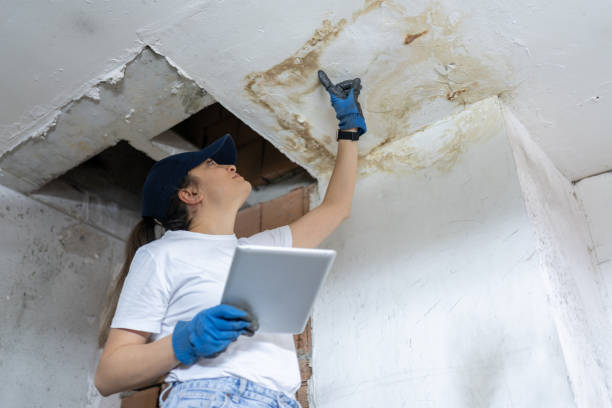
Distinguishing between legitimate tenant-caused damage and expected normal wear and tear represents one of the more consistently challenging judgment calls property managers face, particularly when it comes to fair and legally defensible security deposit deductions. Understanding how to draw this distinction thoughtfully and consistently protects both property managers and tenants from disputes rooted in unclear or inconsistent standards.
Why This Distinction Matters So Much
Security deposit deductions should reflect damage beyond what reasonable, expected wear from normal occupancy would create, not simply any difference between a property's original move-in condition and its condition at move-out. Applying this standard inconsistently, or failing to draw this distinction clearly, creates both fairness issues for tenants and legal vulnerability for property managers if disputes escalate.
Understanding What Constitutes Normal Wear and Tear
Normal wear and tear generally refers to the gradual deterioration that occurs from ordinary, expected use of a rental property over the course of a reasonable tenancy period — minor scuffing on walls from regular foot traffic and furniture movement, gradual carpet wear in high-traffic areas, minor fading of paint or fixtures from normal light exposure, and similar gradual changes that would occur regardless of how carefully a tenant maintained the property.
Understanding What Constitutes Tenant-Caused Damage
Tenant-caused damage generally refers to harm beyond normal use expectations — holes in walls beyond minor nail holes from reasonably hanging pictures, significant stains or burns on flooring or countertops, broken fixtures or appliances from misuse, or damage clearly resulting from neglect, accidents, or intentional actions rather than gradual wear from ordinary occupancy.
Common Gray Areas That Require Careful Judgment
Carpet condition presents frequent ambiguity, since carpets naturally wear and show traffic patterns over time regardless of tenant care, but excessive staining, burns, or damage clearly beyond typical wear requires distinguishing normal aging from tenant-caused harm, often requiring consideration of the carpet's age and expected remaining lifespan at move-in.
Paint and wall condition similarly requires nuanced judgment, since some scuffing and minor wear is expected over a tenancy, but larger holes, significant staining, or damage from unauthorized modifications (like unremoved wallpaper or extensive unapproved painting) crosses into tenant-caused damage territory.
Appliance and fixture wear requires considering whether an issue reflects normal aging of equipment that was already at a certain point in its expected lifespan, versus damage or premature failure clearly resulting from tenant misuse or neglect.
Building Consistent Standards for Making These Determinations
Considering the length of tenancy when evaluating wear, since a longer tenancy naturally produces more accumulated wear than a shorter one, and applying the same wear standard regardless of tenancy length would be inherently unfair to longer-term tenants.
Considering the age and condition of items at move-in provides important context, since flooring, paint, or fixtures that were already older or showing wear at move-in shouldn't be held to the same standard as items that were brand new when a tenancy began.
Applying consistent standards across similar situations, rather than making inconsistent determinations for similar wear or damage across different tenants or units, protects against both fairness concerns and potential legal vulnerability if a pattern of inconsistent treatment becomes apparent.
Documenting the Reasoning Behind Deposit Determinations
Beyond simply documenting the condition itself through photos and inspection notes, documenting the specific reasoning behind a determination that particular damage exceeds normal wear provides valuable support if a determination is ever questioned or disputed, demonstrating a thoughtful, consistent standard rather than an arbitrary judgment call.
Communicating Clearly With Tenants About These Standards
Setting expectations at move-in about what constitutes normal wear versus damage that could affect deposit return helps tenants understand these standards proactively, rather than only learning about them reactively when a specific deposit determination is being made at move-out.
Providing clear, itemized explanations for any deductions at move-out, referencing the specific reasoning for why particular items were determined to exceed normal wear, supports transparency and reduces the likelihood of disputes rooted in unclear or unexplained determinations.
Handling Disputes When They Arise
When tenants dispute a specific determination, having thorough documentation — move-in and move-out photos, clear reasoning for the determination, and consistent application of standards across similar situations — provides the strongest foundation for resolving disputes fairly, whether through direct conversation or, if necessary, more formal dispute resolution processes.
Building Fair, Consistent Practices Across Your Portfolio
Property managers who develop clear, consistently applied standards for distinguishing tenant damage from normal wear, supported by thorough documentation practices, protect both their properties' financial interests and their relationships with tenants, avoiding the disputes and potential legal vulnerability that inconsistent or unclear standards tend to create.

Want to build clearer, more consistent standards for your property's wear-and-tear determinations? Let's talk about your documentation practices. Book a Free Inspection



Find Us On


