


Our Blog
What to Expect From a Contractor's Emergency Repair Response
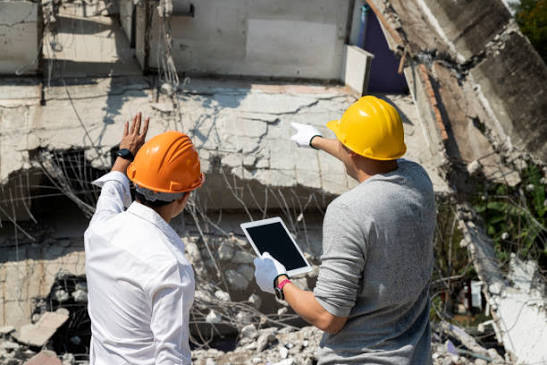
When an emergency repair need comes up at a rental property — a roof leak during a storm, a burst pipe, storm damage affecting multiple units — how fast and how well a contractor responds directly affects tenant satisfaction, property damage extent, and how quickly a property manager can get things back under control. Understanding what a genuinely reliable emergency response looks like helps property managers evaluate whether their current contractor relationships are actually serving their portfolio well.
Why Emergency Response Time Matters So Much
Unlike routine maintenance, emergency repairs involve active, worsening damage. A roof leak that isn't addressed quickly can spread water damage into ceilings, walls, and flooring. A gutter failure during heavy rain can escalate into foundation issues if left unaddressed. Every hour of delay in an emergency situation typically means more extensive (and expensive) damage by the time repairs actually begin.
What Fast Response Actually Looks Like
Same-day or next-day contact. A reliable emergency repair partner should be reachable and responsive within hours of an issue being reported, not days. Even if the actual repair can't happen immediately, prompt acknowledgment and an honest timeline matters enormously for managing tenant expectations and containing damage.
Clear triage and prioritization. Not every reported issue is a true emergency, and a good contractor partner helps property managers distinguish between issues requiring immediate attention and those that can be scheduled as routine repairs, rather than treating every call with the same urgency (or lack of it).
Temporary mitigation when full repair isn't immediate. For issues that can't be fully resolved same-day — a roof leak during an active storm, for example — temporary measures like tarping or water extraction can prevent further damage while a permanent repair is scheduled.
Communication Standards Property Managers Should Expect
Direct, proactive updates. Property managers shouldn't need to repeatedly follow up to get status updates on an emergency repair. A reliable contractor provides updates proactively, particularly when timelines shift or additional issues are discovered once work begins.
Clear scope and cost before work begins. Even in an emergency, a trustworthy contractor should be able to provide a clear explanation of what work is being done and an honest cost estimate, rather than presenting a surprise bill after the fact.
Documentation for insurance purposes. When emergency repairs are related to storm damage or other potentially insurable events, thorough documentation — photos, detailed scope of work, and clear invoicing — supports any insurance claims process the property owner may need to pursue.
Coordinating Emergency Repairs Across Multiple Units or Properties
For property managers overseeing multiple units or properties, a single storm event or widespread issue can generate several simultaneous repair needs. A contractor capable of mobilizing quickly across multiple properties, rather than handling one location at a time with significant delays between each, is significantly more valuable for portfolios of any meaningful size.
Reducing Emergency Frequency Through Preventive Maintenance
While a strong emergency response capability is essential, the best emergency is the one that never happens. Property managers who pair a reliable emergency repair partner with a consistent preventive maintenance schedule — regular roof and gutter inspections, proactive addressing of minor issues — tend to see meaningfully fewer true emergencies over time, since many "emergency" repairs actually stem from smaller issues that went unaddressed for too long.
Evaluating Your Current Emergency Repair Relationships
Property managers should periodically assess whether their current contractor relationships are actually delivering the response times, communication, and reliability their portfolio needs — particularly after any incident where response felt slow or communication was unclear. A pattern of slow or inconsistent emergency response is a strong signal that it may be time to establish a relationship with a more reliable partner before the next urgent issue arises.
Building a Reliable Emergency Repair Partnership
The strongest emergency repair relationships are established before an emergency happens — through an ongoing maintenance relationship that gives a contractor familiarity with a property manager's portfolio, expectations, and communication preferences, so that when an urgent issue does arise, there's no time lost getting a new vendor up to speed.

Want a reliable emergency repair partner for your rental portfolio? Let's talk about response times and what you can expect from us. Book a Free Inspection



Find Us On


