


Our Blog
Whole Home Remodel vs. Room-by-Room: Which Approach Makes Sense?
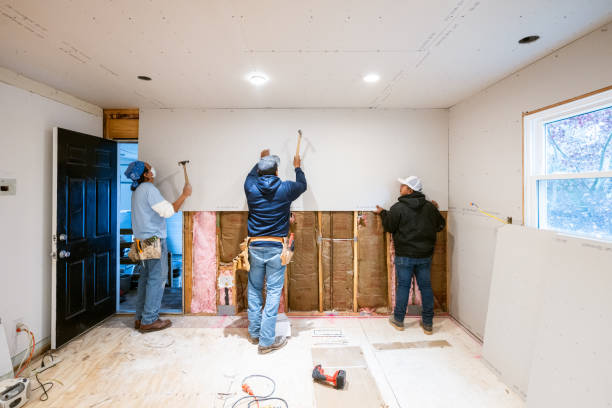
When it's time to update an older home, one of the biggest early decisions homeowners face isn't which rooms to remodel first — it's whether to tackle everything at once in a whole home remodel, or spread the work out room by room over time. Both approaches have real advantages, and the right choice depends heavily on budget, tolerance for disruption, and how urgently different parts of the home actually need attention.
The Case for a Whole Home Remodel
Design cohesion. Renovating the entire home at once allows for a consistent design vision throughout — matching flooring, trim, paint colors, and finishes across every room, rather than ending up with a patchwork of different eras and styles as rooms get updated separately over years.
Cost efficiency on shared systems. If electrical, plumbing, or HVAC updates are needed throughout the home, addressing them all at once is typically more cost-effective than paying for separate mobilization and setup costs each time a different room gets tackled individually.
One consolidated disruption period. While a whole home remodel means living through a more intense disruption, it's contained to a single period rather than spreading construction noise, dust, and inconvenience across multiple separate projects over several years.
Faster overall timeline to a fully updated home. For homeowners eager to get to a finished, cohesive result, a whole home remodel reaches that end state much faster than a room-by-room approach that might take years to complete every space.
The Case for a Room-by-Room Approach
Lower upfront cost per project. Spreading renovation work across multiple smaller projects allows homeowners to budget incrementally rather than needing to finance or save for one large lump sum upfront.
Less disruption at any single point. Tackling one room at a time means the rest of the home remains fully livable throughout each phase, which can be significantly more manageable for families who can't easily relocate during construction.
Flexibility to reprioritize. A room-by-room approach allows homeowners to adjust priorities as circumstances change — addressing the most urgent needs first and reassessing plans for later rooms based on budget or changing preferences over time.
Ability to learn and adjust between projects. Completing one room before starting the next allows homeowners to see how design choices actually look and function in their home, informing decisions for subsequent rooms rather than committing to every choice at once.
Key Considerations for Making the Decision
Urgency of underlying issues. If multiple rooms have pressing issues — outdated electrical, water damage, or structural concerns — a whole home approach may be more practical than staggering necessary repairs over years while problems potentially worsen.
Budget and financing approach. Homeowners planning to finance a renovation may find a whole home remodel more efficient to finance as a single project, while those planning to pay as they go often prefer the flexibility of tackling rooms individually as funds become available.
Tolerance for disruption. Families with young children, remote work needs, or limited ability to relocate during construction may find a room-by-room approach more livable, even if it extends the overall timeline to a fully updated home.
Long-term plans for the home. Homeowners planning to stay in a home for many years may lean toward a room-by-room approach paced around their budget, while those preparing a home for resale in the near term may prioritize a faster, more comprehensive whole home approach to maximize market appeal sooner.
A Hybrid Approach Is Often the Right Answer
Many homeowners land somewhere in between — addressing shared systems (electrical, plumbing, HVAC) throughout the home during an initial phase, then tackling cosmetic finishes room by room over subsequent phases. This approach captures some of the cost efficiency of a whole home remodel while spreading out the disruption and cost of finish work over a more manageable timeline.
Planning Your Renovation Approach
The right approach ultimately depends on a home's specific condition, a family's budget and disruption tolerance, and long-term plans for the property. A detailed walkthrough and conversation about priorities can help determine which approach — or which hybrid combination — makes the most sense for a specific home and family.

Weighing a whole home remodel against a room-by-room approach? Book a consultation and let's map out the right plan for your home. Book a Free Inspection



Find Us On


